Mayon Volcano Sends 500-Meter Plume Above Crater; Alert Level 3
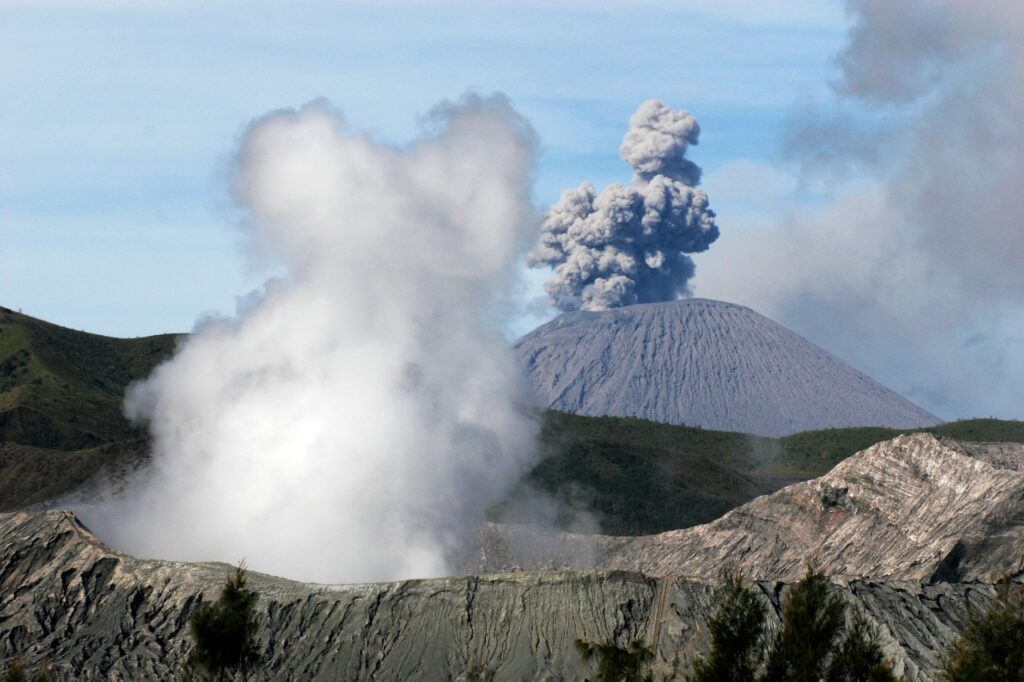
Mayon Volcano in Albay produced minor Strombolian activity on Wednesday, sending a plume 500 meters above its summit crater, the Philippine Institute of Volcanology and Seismology (PHIVOLCS) said, according to GMA News.
Alert Level 3 remains in effect over the volcano. PHIVOLCS defines that level as intensified unrest due to magmatic activity. For how alert levels work at a volcano that is erupting now, see our guide to the Kīlauea eruption.
What PHIVOLCS recorded
The agency said in a Facebook post that camera footage captured the activity at around 11:56 a.m. The images came from the IP camera at the Mayon Volcano Observatory Ligñon Hill station, abbreviated VMLH.
PHIVOLCS’ latest bulletin for the volcano lists the following figures:
- Four volcanic earthquakes and five rockfall events.
- Sulfur dioxide emissions of 2,170 tonnes per day on Nov. 10.
- A moderate emission of volcanic plume, drifting toward the southwest.
Ground deformation data, which track changes in the shape of the volcano, showed inflation of the volcanic edifice. The same data showed short-term deflation in the northeastern sector.
What the terms mean
Strombolian activity is a mild explosive style in which gas bursts throw glowing fragments of lava a short way above the vent. It sits well below the large explosive eruptions that volcanoes can also produce. Inflation of a volcanic edifice means the mountain is swelling slightly, which can happen when magma or gas builds up inside it, while deflation is a shrinking of the same kind of measurement.
Restrictions around the volcano
The agency repeated its ban on entering the Permanent Danger Zone, a six-kilometer radius around Mayon. Aircraft are also barred from flying close to the volcano.
The agency lists these possible hazards at Mayon:
- Rockfalls, landslides and avalanches.
- Ballistic fragments.
- Lava flows and lava fountaining.
- Pyroclastic density currents.
- Moderate-sized explosions.
PHIVOLCS added that lahars may also occur during heavy and prolonged rainfall.
What this means for people near Mayon
The activity reported on Wednesday did not change the alert level, and the restrictions inside the six-kilometer zone and for aircraft stay in place. PHIVOLCS did not report any change in the instructions it has already issued.
Residents and travelers in Albay can check PHIVOLCS bulletins and the guidance of their local emergency officials for current instructions. GMA News did not report damage, injuries or evacuations linked to Wednesday’s event.
Source: GMA Network