New Lava Dome Appears at Mayon Volcano as Alert Level 3 Stays in Place
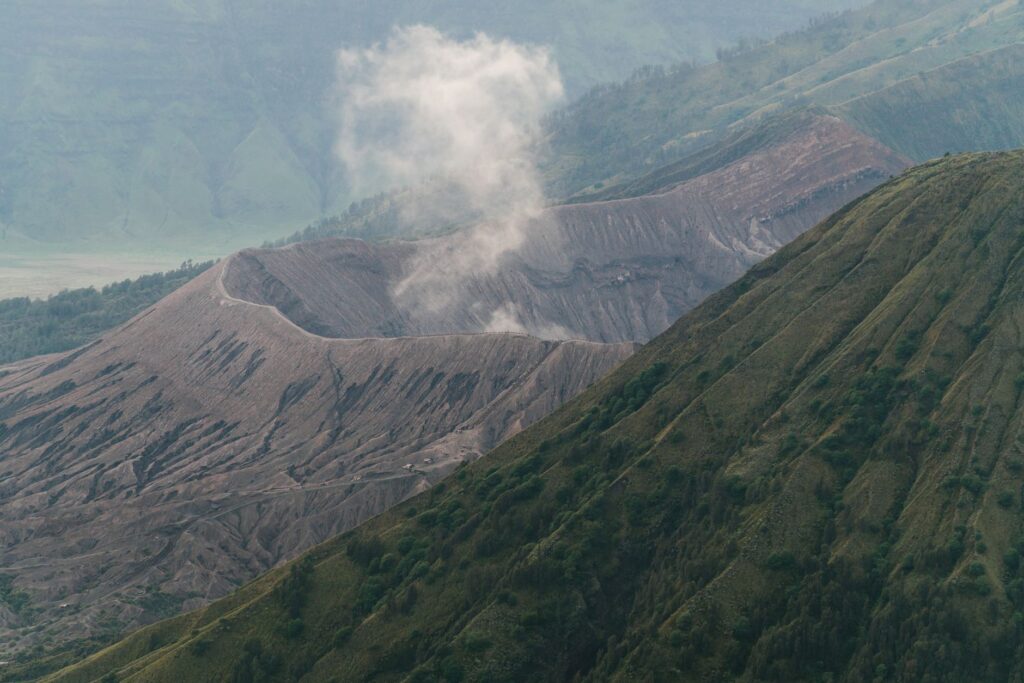
A new lava dome has appeared in the summit crater of Mayon Volcano in the Philippines, the Philippine Institute of Volcanology and Seismology (PHIVOLCS) reported on Friday morning, local time. Staff at the Mayon Volcano Observatory saw it on a close-up camera monitor trained on the crater.
Alert Level 3 remains in effect for the volcano. Under that level, people may not enter the six-kilometer permanent danger zone around Mayon, and aircraft are prohibited from flying close to it, according to PHIVOLCS.
Satellites saw the crater floor bulge first
The dome did not appear without warning. PHIVOLCS said an international partner agency had detected bulging of the crater floor in satellite images taken between November 2 and 4, 2026. At that point the dome was still hidden below the surface, pushing the floor of the crater upward before it broke through.
A lava dome is a mound of thick, slow-moving lava that piles up over a volcanic vent instead of flowing far away. The agency described the camera sighting in a short update and did not give a size for the new dome.
What PHIVOLCS recorded in its latest bulletin
The agency’s Friday bulletin listed several signs of ongoing activity at Mayon:
- Minor Strombolian activity, a mild type of eruption in which bursts of gas throw out glowing lava fragments.
- Eight volcanic earthquakes.
- Sulfur dioxide emissions of 2,293 tonnes, measured on Thursday.
- Moderate volcanic plumes drifting toward the west-southwest and southwest.
- Inflation, or swelling, of the volcano’s edifice, with short-term deflation recorded in its northeastern sector.
Sulfur dioxide is a gas released by magma near the surface, and scientists track it as one sign of how much fresh magma is feeding a volcano. Inflation means the mountain itself is swelling slightly, which PHIVOLCS measures with its monitoring instruments.
What Alert Level 3 means at Mayon
PHIVOLCS uses Alert Level 3 to signal intensified unrest and magmatic unrest, meaning magma is moving and the volcano’s behavior has stepped up. The level has stayed the same despite the new dome. Agencies in different countries use their own scales, and our explainer on how volcano alert levels work covers the general idea of tiered warnings.
The agency lists these possible hazards at the current level:
- Rockfalls and landslides
- Ballistic fragments, which are rocks thrown out of the crater
- Lava flows and lava fountaining
- Pyroclastic density currents, fast-moving clouds of hot gas, ash and rock that rush down the slopes
- Moderate-sized explosions
- Lahars, or volcanic mudflows, during heavy and prolonged rainfall
Why it matters for people around Mayon
A growing lava dome at the summit adds new material that can feed rockfalls and lava flows, two of the hazards PHIVOLCS already lists for Alert Level 3. The swelling of the volcano and the continued gas output show that the unrest has not eased, according to the agency’s readings.
For residents and visitors, the rules that apply now are the ones PHIVOLCS has stated: no entry into the six-kilometer permanent danger zone and no flying near the volcano. The agency has also warned that lahars can form when heavy rain falls for a long time, which puts communities along river channels on the slopes at risk during storms. People in the area should follow instructions from PHIVOLCS and their local disaster officials.
How PHIVOLCS is watching the volcano
The new dome was confirmed with a camera at the Mayon Volcano Observatory, while the earlier bulging came from satellite images supplied by a partner agency abroad. Together with earthquake counts, gas measurements and ground deformation data, these tools give PHIVOLCS the readings it reports in its regular bulletins on Mayon.
Source: GMA Network