What Causes a Tsunami, and Why Most Big Earthquakes Don’t
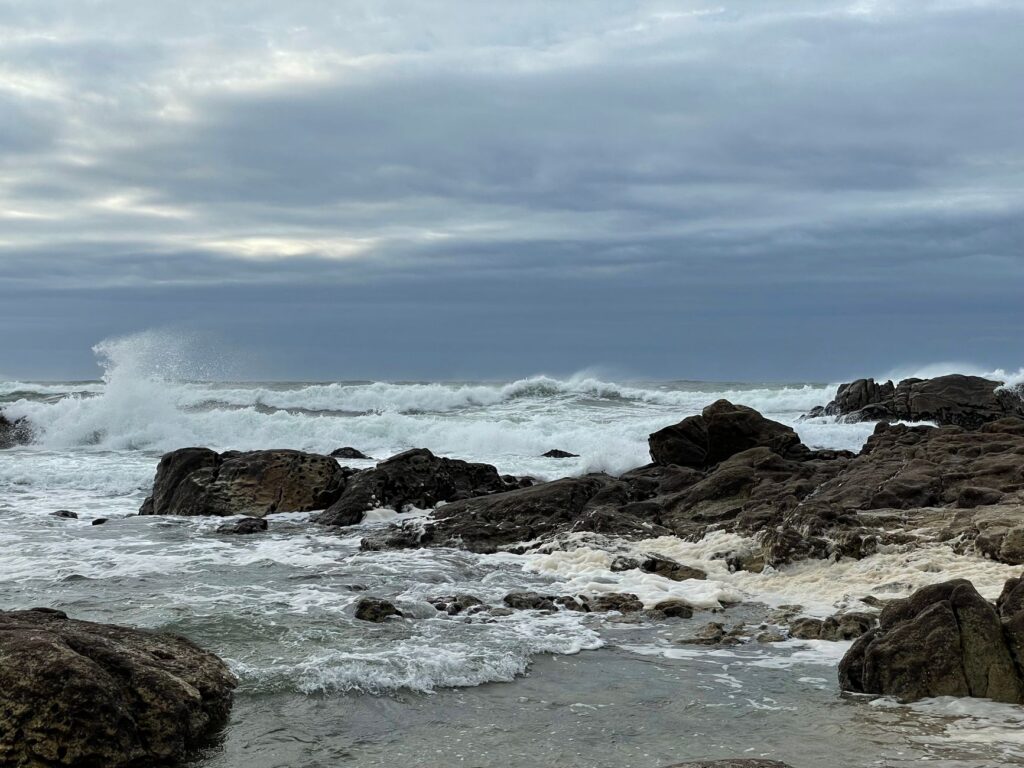
A tsunami is caused by a large, sudden displacement of ocean water. NOAA says about 80 percent of known tsunamis are triggered by earthquakes, mostly large, shallow earthquakes under or near the ocean that move the seafloor up or down. Landslides, volcanic activity, certain types of weather and, rarely, asteroids or comets cause the rest.
How does an earthquake cause a tsunami?
The seafloor has to move vertically. NOAA explains that an earthquake must be big enough and close enough to the ocean floor to cause vertical movement of the seafloor. The water above moves with it and spreads out as a series of waves. NOAA lists three factors in the size of the tsunami: how far the seafloor moves, how large an area moves and the water depth at the source. The NOAA explainer on the science behind tsunamis covers the basics.
Subduction zones, where one tectonic plate slides beneath another, are the classic source. USGS describes the process: in a subduction zone earthquake, the leading edge of the overriding plate breaks free and springs seaward, raising the seafloor and the water above it. That uplift starts the tsunami. USGS says thrust earthquakes like this are far more likely to generate tsunamis than strike-slip earthquakes, in which the two sides of a fault slide past each other horizontally. The Pacific Northwest has its own subduction zone; see the guide to the Cascadia subduction zone.
Why do many large earthquakes cause no tsunami?
Magnitude is only one factor. USGS says earthquakes larger than about magnitude 6.5 to 7 can generate tsunamis if they occur beneath the ocean and cause mostly vertical displacement. Several other conditions decide the outcome:
- Fault type. Strike-slip earthquakes move the seafloor mostly sideways. USGS notes that small tsunamis have come from strike-slip earthquakes larger than magnitude 8 in only a few cases.
- Depth. The tsunami.gov FAQ says most tsunamis come from earthquakes less than 100 km (62 miles) below the surface. USGS has cited the depth of earthquakes beneath the seafloor as one reason tsunamis were smaller than their magnitudes suggested. Our guide to earthquake depth explains how depth is reported.
- Location. A USGS tsunami scientist lists as a requirement that the rupture lie at least partly under the ocean, with permanent seafloor movement over a large area.
- Water depth. USGS says that, typically, the deeper the water above the rupture, the bigger the tsunami.
The magnitude 7.9 earthquake in the Gulf of Alaska on January 23, 2018 shows the difference fault type makes. USGS says it was a strike-slip earthquake within the Pacific plate, which mostly moved the seafloor sideways and did not displace enough water for a large tsunami. NOAA issued tsunami warnings for Alaska and western Canada and a watch for the US West Coast. The alerts were canceled within a few hours, and a surge of less than one foot was observed at Kodiak.
What magnitude earthquake causes a tsunami?
There is no single cutoff, but USGS and the tsunami warning centers publish general guidelines:
| Earthquake | What the agency says | Source |
|---|---|---|
| Below magnitude 6.5 | Very unlikely to trigger a tsunami | USGS, based on past events and Pacific Tsunami Warning Center procedures |
| Magnitude 6.5 to 7.5 | Destructive tsunamis are not usually produced; small sea-level changes may be seen near the epicenter | USGS |
| Above magnitude 7.0, under or very near the ocean, less than 100 km (62 miles) deep | Where most tsunamis come from | tsunami.gov FAQ |
| Magnitude 7.9 and greater | Destructive local tsunamis are possible near the epicenter | USGS |
| Above magnitude 8.0 | Generally needed to generate a dangerous distant tsunami | tsunami.gov FAQ |
These are rules of thumb, not predictions for a given event. After a large undersea earthquake, NOAA scientists model the likely tsunami from the magnitude and epicenter, then refine the model with deep-ocean wave measurements, according to USGS. The USGS answer on what makes an earthquake cause a tsunami gives the full guidelines.
Can landslides and volcanoes cause tsunamis?
Yes. NOAA says a landslide can generate a tsunami when it enters the water from above or moves underwater. Many landslide tsunamis are triggered by earthquakes, including earthquakes too small to make a tsunami directly. The tsunami.gov FAQ says landslide tsunamis can be larger than earthquake tsunamis near their source and can reach the coast within minutes, but they usually lose energy quickly and rarely affect distant coasts. In 1958, a landslide-generated tsunami in Southeast Alaska killed five people, according to the FAQ.
Volcanic tsunamis are infrequent. NOAA lists the volcanic processes that can displace enough water: pyroclastic flows entering the sea, underwater explosions near the surface, caldera collapse and landslides such as flank collapses. NOAA adds that a volcano must be near the coast or not far below the sea surface to generate a significant tsunami. Like landslide tsunamis, volcanic tsunamis usually lose energy quickly, the tsunami.gov FAQ says.
NOAA also describes meteotsunamis, which are driven by air-pressure disturbances from fast-moving weather such as storms. NOAA says they are hard to identify because they look almost the same as earthquake tsunamis.
How fast does a tsunami travel?
In the deep ocean, a tsunami can move over 500 mph (about 800 km/h), as fast as a jet plane, and cross an entire ocean in less than a day, according to the tsunami.gov FAQ. Near shore it slows to roughly the speed of a car. That is how a distant earthquake can still threaten US coasts: the FAQ says most of the 167 deaths from the 1946 Aleutian Islands earthquake’s tsunami were in Hawaii. A tsunami is also not a tidal wave. The FAQ says tsunamis are unrelated to tides and calls the term tidal wave incorrect.
What does the tsunami flag on a USGS earthquake page mean?
USGS earthquake event pages and data feeds carry a tsunami field. According to the USGS ComCat documentation, it is set to 1 for large events in oceanic regions and 0 otherwise. USGS says its existence or value does not indicate whether a tsunami actually happened or will happen. When the value is 1, the event page links to NOAA’s tsunami website.
USGS does not issue tsunami alerts. NOAA’s two tsunami warning centers do, and the flag is only a pointer to them. Our page of the latest NTWC and PTWC tsunami messages and our live list of USGS earthquakes worldwide show both official sources side by side. For the rest of the event page, see how to read USGS earthquake reports.
Bottom line
A tsunami needs the ocean to be shoved suddenly out of place, and large, shallow undersea thrust earthquakes do that most often. Strike-slip and deep earthquakes, even big ones, often produce small tsunamis or none. Landslides, volcanoes and fast-moving weather can also cause them. For any real event, alerts come from NOAA’s tsunami warning centers, not from the USGS tsunami flag.
FAQ
Can a small earthquake cause a tsunami?
USGS says earthquakes below magnitude 6.5 are very unlikely to trigger a tsunami directly. NOAA notes that an earthquake too small to make a tsunami can still set off a landslide that does.
How many damaging tsunamis have hit the United States?
The tsunami.gov FAQ counted 30 reported tsunamis, as of January 2018, that caused at least one death or $1 million in damage in US states and territories.
Is a tsunami the same as a tidal wave?
No. Tsunamis are not caused by tides, and the tsunami.gov FAQ calls the term tidal wave incorrect.
What should I do if a tsunami warning is issued?
The National Weather Service says to follow local officials and move to high ground or inland. The tsunami alerts guide explains warnings, advisories and watches.