Flash Flood Warning vs Flood Warning: What Each Alert Means
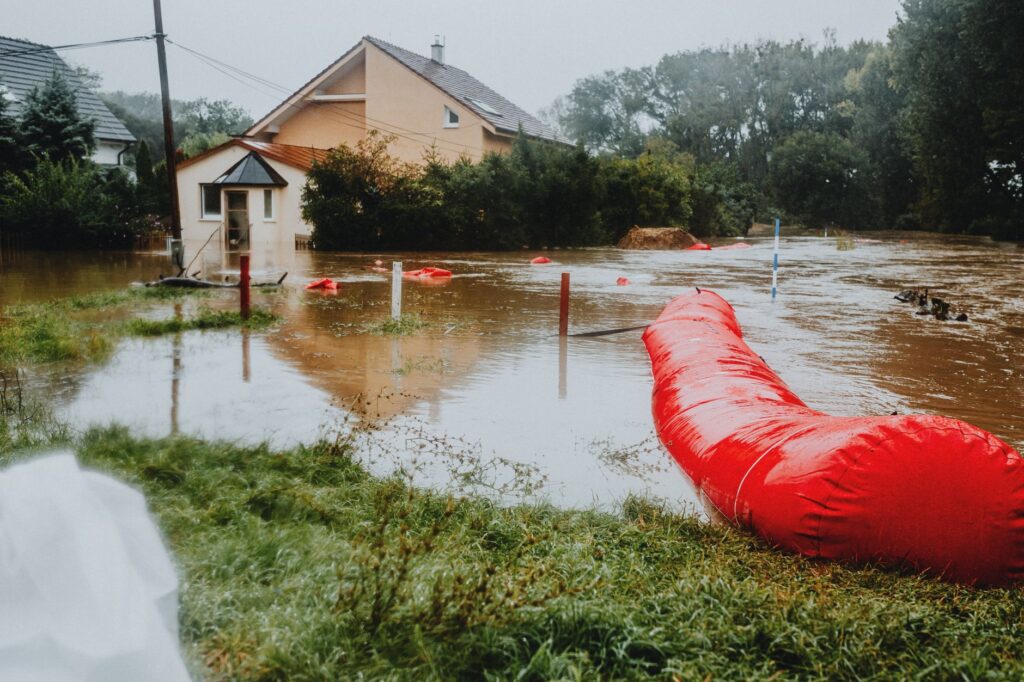
A Flash Flood Warning means flash flooding is in progress, imminent or highly likely, according to the National Weather Service (NWS). A flash flood begins within six hours of its cause, such as intense rain or a dam failure. A Flood Warning means flooding is imminent or occurring, usually along larger streams and rivers, and it usually includes river level forecasts.
A Flood Advisory is the lower level, for flooding that is not expected to be bad enough for a warning. A Flash Flood Emergency is the highest level, issued only in rare cases when lives are under severe threat.
What is a flash flood?
The NWS glossary defines a flash flood as a rapid and extreme flow of high water into a normally dry area, or a rapid rise of a stream or creek above a predetermined flood level, beginning within six hours of the cause. The causes it lists include intense rainfall, dam failure and ice jams. The NWS office in Mount Holly, New Jersey, adds that flash flooding often begins within three hours of the heavy rain.
The NWS describes a flash flood as a sudden, violent flood that can take from minutes to hours to develop. It also notes that a flash flood can happen in areas not immediately receiving rain.
How is a flash flood warning different from a flood warning?
The difference is speed and setting. A Flash Flood Warning is for sudden, violent flooding that is in progress, imminent or highly likely. A Flood Warning is for flooding that is imminent or occurring, and the NWS glossary describes it as covering flooding along larger streams, usually with river stage (level) forecasts. River flood warnings usually include crest information, meaning the expected peak level.
The NWS labels both warnings Take Action! For a Flash Flood Warning, the NWS says that if you are in a flood-prone area, move immediately to high ground.
River forecasts are published on the NWS National Water Prediction Service at water.noaa.gov, which launched in March 2024. Its gauge pages show water levels for the past 30 days and river flood forecasts up to 10 days ahead. The NWS uses three flood categories at river forecast points:
- Minor flooding: minimal or no property damage, but possibly some public threat or inconvenience.
- Moderate flooding: some inundation of structures and roads near streams, with some evacuations or property moved to higher ground.
- Major flooding: extensive inundation of structures and roads, with significant evacuations.
What do flood watches and flood advisories mean?
A Flood Watch is issued when conditions are favorable for flooding. The NWS flood watch and warning page says a watch does not mean flooding will occur, but it is possible, and labels it Be Prepared.
A Flood Advisory is issued when flooding is not expected to be bad enough for a warning. The NWS says it may still cause significant inconvenience and, if caution is not exercised, could lead to situations that threaten life or property. Its label is Be Aware.
What is a flash flood emergency?
A Flash Flood Emergency is the top level of a flash flood warning. The NWS issues it for exceedingly rare situations when a severe threat to human life and catastrophic damage from a flash flood is happening or will happen soon. It carries the Catastrophic damage threat tag.
Flash Flood Warnings come in three tiers: base, Considerable and Catastrophic. The tier decides whether the warning reaches phones. The NWS Wireless Emergency Alerts page says the NWS sends WEA for flash flood warnings only when the damage threat is Considerable or Catastrophic. A base Flash Flood Warning may not arrive on your phone. FEMA’s alerts fact sheet suggests listing every alert system available to you and considering a NOAA Weather Radio.
| Alert | What it means (NWS) | Sent to phones as WEA? |
|---|---|---|
| Flood Watch | Conditions favorable for flooding; flooding is possible | No |
| Flood Advisory | Flooding below warning level that can still cause significant inconvenience | No |
| Flood Warning | Flooding imminent or occurring, usually along larger streams and rivers | No |
| Flash Flood Warning (base) | Flash flooding in progress, imminent or highly likely | No |
| Flash Flood Warning, Considerable tag | Flash flooding with a higher damage threat | Yes |
| Flash Flood Emergency (Catastrophic tag) | Severe threat to human life and catastrophic damage, happening or imminent | Yes |
What does Turn Around, Don’t Drown mean?
Turn Around, Don’t Drown is the NWS flood safety message: do not drive or walk into flood water. The NWS Turn Around Don’t Drown page says it is never safe to drive or walk into flood waters and gives these figures:
- 6 inches (15 cm) of fast-moving flood water can knock over an adult.
- 12 inches (30 cm) of rushing water can carry away most cars.
- 2 feet (61 cm) of rushing water can carry away SUVs and trucks.
Citing the CDC, the NWS says over half of all flood-related drownings occur when a vehicle is driven into hazardous flood water. The NWS also says never to drive around barriers blocking a flooded road, because the road under the water may have collapsed. Follow evacuation orders and instructions from local emergency officials.
How can you check flood alerts and river levels near you?
- Enter your ZIP code on weather.gov to see the flood watches, advisories and warnings for your location.
- Open the nearest river gauge on water.noaa.gov to see the current level, the flood categories for that spot and, where the NWS issues one, the river forecast.
- Check our live list of NWS alerts by state, for example active NWS alerts for Texas, to see every active flood product in one place. It shows official NWS data and is not an alert service.
- Keep Wireless Emergency Alerts turned on; our guide to how official emergency alerts reach you covers phone settings and NOAA Weather Radio.
Bottom line
A Flash Flood Warning means sudden flooding is happening or about to, often within hours of heavy rain. A Flood Warning means flooding is imminent or occurring, usually on larger streams and rivers with forecast crests. Advisories sit below warnings, and a Flash Flood Emergency sits at the top. The NWS message for all of them is the same: never drive or walk into flood water. The watch, warning and advisory terms work the same way for other hazards, as explained in our guide to watches, warnings and advisories, and tornado warnings use similar damage tags, covered in tornado watch vs tornado warning.
FAQ
Is a flash flood warning more serious than a flood warning?
Both are warnings, and the NWS labels both Take Action! A Flash Flood Warning covers sudden flooding that can develop in minutes to hours, so there is less time to react. The highest level is the Flash Flood Emergency.
Why didn’t my phone alert me to a flash flood warning?
The NWS sends Wireless Emergency Alerts for flash flood warnings only when the damage threat tag is Considerable or Catastrophic. Base-level Flash Flood Warnings and all Flood Warnings appear on weather.gov and NOAA Weather Radio instead.
Can a flash flood happen when it is not raining where I am?
Yes. The NWS says flash floods can happen in areas not immediately receiving rain. The NWS glossary lists intense rainfall, dam failure and ice jams as causes, with flooding beginning within six hours.
How much water can sweep a car away?
The NWS says 12 inches (30 cm) of rushing water can carry away most cars, and 2 feet (61 cm) can carry away SUVs and trucks. Six inches (15 cm) of fast-moving water can knock over an adult.