Earthquake Clouds: Japan’s Weather Agency Says No Link to Quakes
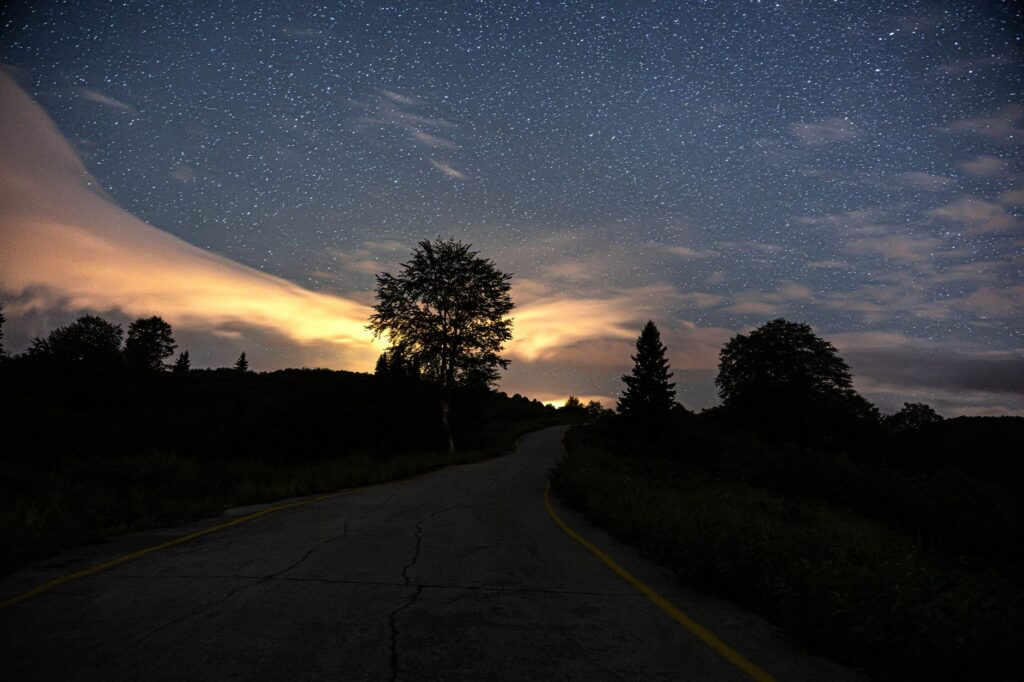
The Japan Meteorological Agency (JMA) says clouds and earthquakes are “completely separate phenomena” and that no scientific explanation has been established for so-called earthquake clouds. The Seismological Society of Japan says earthquake researchers generally consider there to be no connection between clouds and earthquakes. The term tends to spread on social media after a major quake, and again whenever an unusual cloud appears.
A Japanese UFO-research group, which fields questions about odd clouds, published an explainer on the topic on Nov. 26. This article summarizes what it reports about the agencies’ positions and the usual causes of such clouds.
What are earthquake clouds?
The term is folklore. It treats clouds of unfamiliar shape, such as a long ribbon-like band, as a sign that an earthquake is coming. The label is applied before anyone has established what the cloud actually is, according to the explainer.
What do official bodies say?
The JMA explains that clouds are atmospheric phenomena and earthquakes are geological ones. The agency published a statement in 1983 dismissing earthquake clouds as lacking scientific basis. The Seismological Society of Japan gives the same assessment, saying researchers generally see no connection.
Why do the two seem to coincide?
Earthquakes are frequent. In Japan, quakes of seismic intensity 1 or higher happen about 2,000 times a year, and those of intensity 4 or higher about 50 times a year. Unusually shaped clouds also appear routinely, depending on atmospheric conditions and terrain. The explainer says a quake somewhere within a few days of an odd cloud is therefore likely, and that a cloud and a quake appearing together is not evidence of a relationship.
What are these clouds usually?
The explainer lists several types that often prompt people to ask meteorological observatories whether they are earthquake clouds:
- Cirrus clouds spreading outward in a radial pattern.
- Altocumulus or stratocumulus clouds lined up like rolls.
- Persistent contrails, the long trails left by aircraft.
All are ordinary clouds shaped by upper-air winds and moisture. Undulating clouds form where upper-level winds rise and fall like waves. Lenticular clouds, which look stationary near mountains, are also unrelated to earthquakes.
Low evening sun can make high clouds look low, and a band that seems to rise from the ground is often drifting horizontally high in the sky, the explainer says.
Why it matters: what officials point people to
The explainer says earthquake preparedness should rely on official information rather than clouds. It points readers in Japan to the JMA’s earthquake information and local hazard maps. It states that an unusual cloud provides no basis for predicting when an earthquake will strike.
For a cloud that raises concern, the explainer suggests photographing it with the time and direction noted, watching whether it drifts with the wind and how its shape changes, and comparing it with weather forecasts and satellite imagery. Readers elsewhere should follow guidance from their local emergency officials and the National Weather Service.
Source: note