How to Prepare for a Flood: Alerts, Driving, Home and Insurance
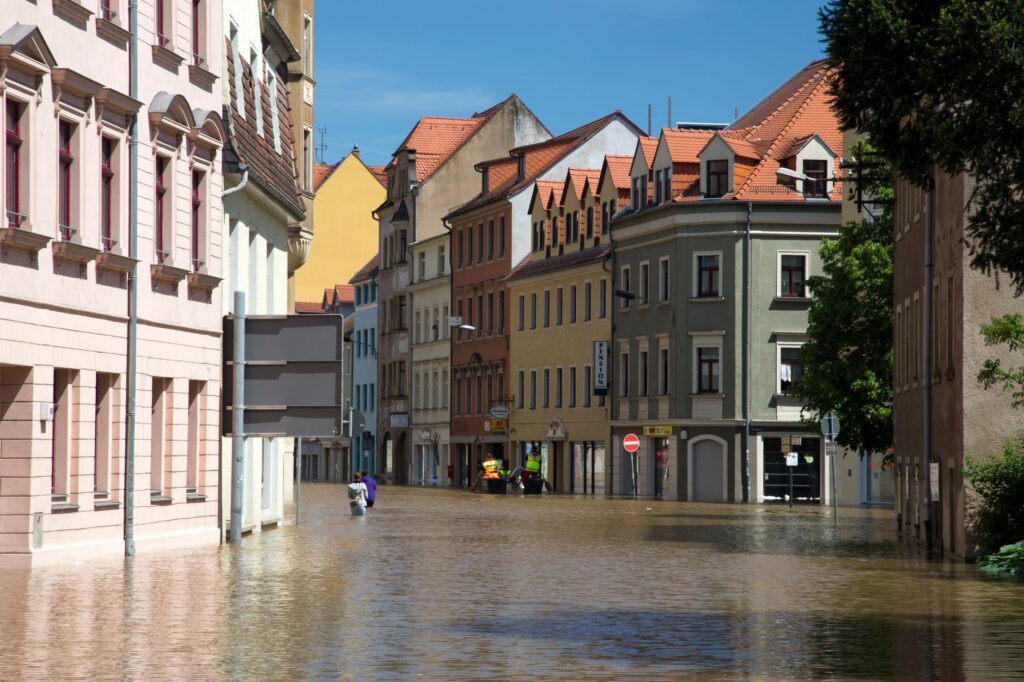
To prepare for a flood, check your address on a flood map, buy flood insurance before storms are in the forecast, photograph your belongings, and keep important papers somewhere dry. When an alert arrives, a flood watch means conditions favor flooding and a flood warning means flooding is happening or about to happen. Never drive into a flooded road. This applies to anyone in the United States and its territories, because the National Weather Service says flooding threatens some part of the country nearly every day of the year.
What is the difference between a flood watch and a flood warning?
A watch means the ingredients for flooding are in place, so you have time to prepare. A warning means flooding is occurring or expected soon, so you should act on your plan. The National Weather Service flood safety page explains the types of flooding and how the agency issues alerts. Flash floods, which develop quickly, are treated separately from slower river flooding; our explainer on flash flood warnings versus flood warnings covers the wording. For the general pattern of alert levels, see what each NWS alert means.
How do I find out whether my home is at risk?
Look up your address in the Flood Map Service Center, which the National Flood Insurance Program (NFIP) points to on its Floodsmart site. Flood maps show your community’s flood zone, floodplain boundaries and base flood elevation. The same page says some risk exists wherever you live or work. Poor drainage, summer storms, melting snow, neighborhood construction and broken water mains can all cause flooding, not only rivers and coasts.
What should I do if I come to a flooded road?
Turn around and find another route. The weather service’s guidance is built on the slogan “Turn around, don’t drown,” because floodwater hides road damage and can carry a vehicle away. The agency’s flood page singles out what to do when you are driving and reach a flooded road as something worth learning in advance. Plan a way home that avoids low spots, underpasses and creek crossings, and check the road before you leave rather than during a storm. If water rises around a stalled car, local emergency officials give the instructions for your area.
How can I protect my home and documents?
Floodsmart recommends a simple paper trail before water arrives.
- Photograph and video all major household items and valuables.
- Store those images and records in a safe, waterproof place. They matter when you file an insurance claim.
- Keep copies of birth certificates, passports, medical records and insurance papers in a safe, dry place.
- Put the original documents in a watertight safety deposit box.
Physical protection of the building depends on your home and local rules. Your insurance agent, county emergency management office or city building department can tell you which measures apply where you live.
Does homeowners insurance cover flood damage?
Most homeowners insurance does not cover flood damage. Only flood insurance pays for rebuilding after a flood, according to Floodsmart. The NFIP offers two types of coverage, building coverage and contents coverage, and both pay for direct physical losses. What is covered depends on where you live, the kind of house, its age and how it is built.
The site’s definition of a flood is excess water on normally dry land that affects two or more acres or two or more properties. It gives sewer backup as an example: damage is covered if the backup is a direct result of flooding.
When should I buy flood insurance?
Buy it well before a storm is forecast. Insurance bought once flooding is predicted usually does not help with that event, because policies generally carry a waiting period before coverage starts. Ask your agent for the exact waiting period and the details for your property, since the NFIP page does not list them. Floodsmart says almost one-third of NFIP claims, 29%, come from outside high-risk flood areas. Many owners in high-risk areas may also be required to carry a policy, for example by a mortgage lender.
To find a provider, use the insurance provider finder on Floodsmart, where an agent can answer questions and give you a quote.
What do I do after a flood?
Report your loss immediately to your insurance agent or carrier. If you cannot find your agent or carrier, the NFIP phone line is (877) 336-2627. The program says it can help whether your home had a few inches or a few feet of water. The weather service also invites flood victims to share their experience through its flood safety pages so others can learn from it.
Quick answers
Does a storm surge alert follow the same rules?
Coastal surge has its own watches and warnings and often brings evacuation orders. Read how storm surge watches and warnings work in Florida for the meaning of each.
Is flood insurance only for people near rivers?
No. Floodsmart says flooding can happen just about anywhere it rains or snows, and that nearly one-third of NFIP claims occur outside high flood risk areas.
Why photograph belongings before a flood?
Photos and videos of major items and valuables support an insurance claim, so they should be stored somewhere waterproof.
Checked against official sources in November 2026. Alert criteria, records and guidance are revised: check the official agency page for current information.