Tornado Watch vs Tornado Warning: What Each Alert Means
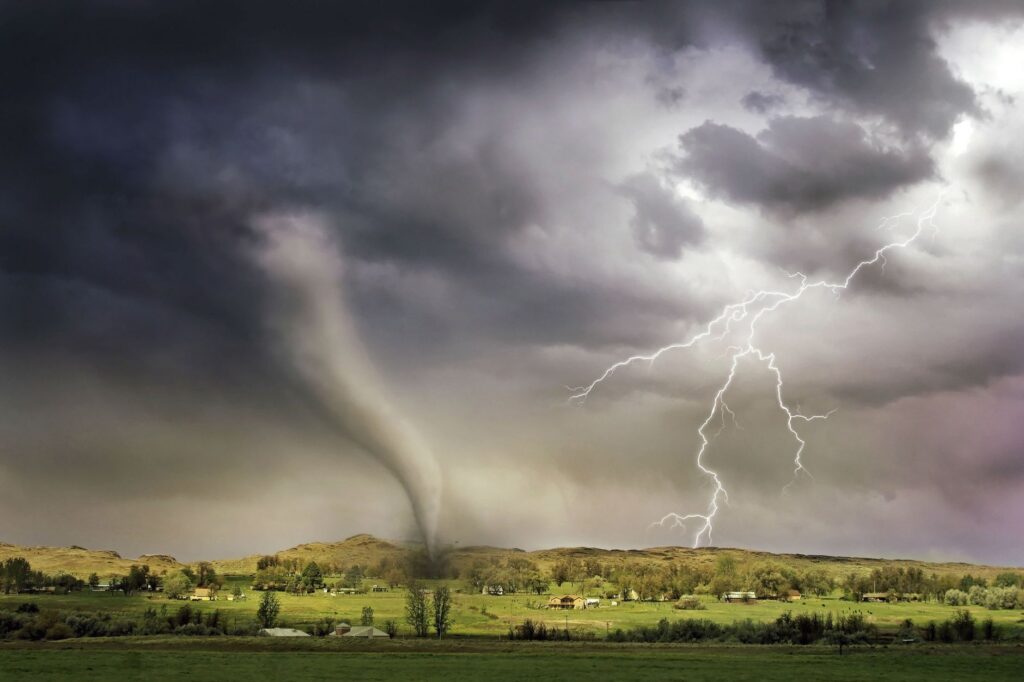
A tornado watch means tornadoes are possible in and near the watch area, and the National Weather Service (NWS) tells people to be prepared. A tornado warning means a tornado has been sighted or indicated by weather radar, and the NWS tells people to take action. NOAA’s Storm Prediction Center (SPC) issues tornado watches; your local NWS forecast office issues tornado warnings.
Two higher levels sit above the routine alerts: “Particularly Dangerous Situation” (PDS) wording and the Tornado Emergency. Each has a specific official meaning.
What is a tornado watch?
A tornado watch is a heads-up that storms in the area can produce tornadoes. The SPC says a watch means severe weather is possible during the next few hours. The NWS tornado watch and warning page labels a watch Be Prepared! and advises people to review and discuss emergency plans, check supplies and their safe room, and be ready to act quickly if a warning is issued or they suspect a tornado is approaching.
The SPC issues all Tornado Watches and Severe Thunderstorm Watches. According to the SPC FAQ, a typical watch covers about 25,000 square miles (about 65,000 square km), roughly half the size of Iowa. The SPC describes a severe thunderstorm watch as covering an organized episode of large hail and damaging wind over a two- to eight-hour period. A tornado watch adds the possibility of multiple tornadoes or a single intense tornado.
Each watch lists its own expiration time. The SPC issues watch status reports, usually hourly, and local NWS offices decide when counties can be cleared from a watch early.
What is a tornado warning?
A tornado warning means a tornado is happening or about to. The NWS issues one when a tornado has been sighted or indicated by weather radar, and the warning comes from your local NWS forecast office, not from the SPC.
Every tornado warning carries a source tag that tells you what forecasters are seeing. The NWS uses two:
- TORNADO…RADAR INDICATED: radar shows a tornado or a developing tornado, but it is not confirmed.
- TORNADO…OBSERVED: there is evidence of an ongoing tornado, either radar confirmation such as debris or reliable reports.
According to the NWS, all tornado warnings trigger Wireless Emergency Alerts (WEA) on capable phones in the warning area. Tornado watches are not on the NWS list of alerts sent by WEA.
What is a PDS tornado watch?
A PDS tornado watch is a rare, higher-end watch. The SPC uses Particularly Dangerous Situation wording in Tornado Watches when long-lived intense tornadoes are likely. The SPC says the decision is a forecaster’s judgment with no hard criteria, and that PDS watches are most often issued on days with a High risk in the Day 1 Convective Outlook.
The SPC’s stated goal is for 3 out of every 4 PDS Tornado Watches to verify with multiple intense tornadoes. The SPC can also add PDS wording to Severe Thunderstorm Watches for widespread significant severe weather, usually from exceptionally intense derechos.
PDS also appears inside warnings. A tornado warning with the CONSIDERABLE damage threat tag, which the NWS labels a Particularly Dangerous Situation, is issued in rare situations when there is a considerable threat to life and property from a strong, ongoing tornado.
What is a tornado emergency?
A tornado emergency is the top level of a tornado warning. In the NWS impact-based tornado warning fact sheet, it is the CATASTROPHIC damage threat tag, issued in exceedingly rare situations when a violent tornado capable of catastrophic damage and a severe threat to human life is ongoing.
The NWS glossary adds that a tornado emergency is reserved for cases where a reliable source confirms a tornado, or radar clearly shows a damaging tornado, for example by detecting debris. Like any tornado warning, it is issued by the local NWS office.
How do the tornado alert levels compare?
| Alert | What it means | Issued by |
|---|---|---|
| Tornado Watch | Tornadoes are possible in and near the watch area | Storm Prediction Center |
| PDS Tornado Watch | Rare; long-lived intense tornadoes are likely | Storm Prediction Center |
| Tornado Warning | A tornado has been sighted or indicated by radar | Local NWS forecast office |
| Tornado Warning with CONSIDERABLE tag (PDS) | Considerable threat to life and property from a strong, ongoing tornado | Local NWS forecast office |
| Tornado Emergency (CATASTROPHIC tag) | Violent tornado ongoing; catastrophic damage and severe threat to human life | Local NWS forecast office |
What does the NWS advise when a tornado warning is issued?
The NWS says to shelter immediately. Its warning guidance is to move to an interior room on the lowest floor of a sturdy building and avoid windows. The NWS page on what to do during a tornado adds detail by location:
- At home: go to your basement, safe room or an interior room away from windows.
- At work or school: follow your tornado drill and go to your tornado shelter location quickly and calmly. Stay out of large open rooms such as cafeterias, gymnasiums and auditoriums.
- Mobile homes, tents and sheds: the NWS says these are not safe. From a mobile home, a vehicle or outdoors, it says to get to the closest substantial shelter and protect yourself from flying debris.
- In a vehicle: drive to the closest shelter. If you cannot, the NWS says to get down in the car and cover your head, or leave the car and seek shelter in a low-lying area such as a ditch or ravine.
Follow instructions from your local emergency officials and your NWS office, which can be more specific to your area.
Where can you see current tornado watches and warnings?
- Enter your ZIP code on weather.gov to see the watches and warnings for your exact location.
- Check the SPC website for the list of current watches and the counties they cover.
- Open our live list of NWS alerts by state, for example active NWS alerts for Oklahoma, to see every active watch and warning in one place. These pages repeat official NWS data and are not alerts themselves.
- Keep Wireless Emergency Alerts on, as described in our guide to how official emergency alerts reach you.
Bottom line
A tornado watch from the SPC means tornadoes are possible, so the NWS says be prepared. A tornado warning from your local NWS office means a tornado has been sighted or shows on radar, so the NWS says take action and shelter now. PDS wording and the tornado emergency mark the rarest, most dangerous situations. The same three-level logic runs through all NWS alerts, explained in our guide to watches, warnings and advisories, and flash flood warnings use similar damage threat tags, covered in flash flood warning vs flood warning.
FAQ
Does a tornado warning mean a tornado is on the ground?
Not always. A warning tagged RADAR INDICATED means radar shows a tornado or a developing tornado that is not confirmed. A warning tagged OBSERVED means there is evidence of an ongoing tornado, and the NWS says to take action in either case.
How long does a tornado watch last?
Each watch shows its own expiration time. The SPC describes severe weather watches as covering an organized episode over roughly two to eight hours, and local NWS offices can clear counties before the watch ends.
Will my phone alert me during a tornado watch?
Not through Wireless Emergency Alerts. The NWS sends WEA for every tornado warning, but watches are not on its WEA list. NOAA Weather Radio broadcasts official watches and warnings 24 hours a day.
What is the difference between a PDS tornado watch and a tornado emergency?
A PDS tornado watch comes from the SPC before or during an outbreak, when long-lived intense tornadoes are likely over a large area. A tornado emergency comes from a local NWS office when a violent tornado is already ongoing and threatens catastrophic damage. One is a forecast of danger; the other describes a confirmed tornado.