Wildfire Smoke in Pregnancy Tied to Childhood Asthma in New Study
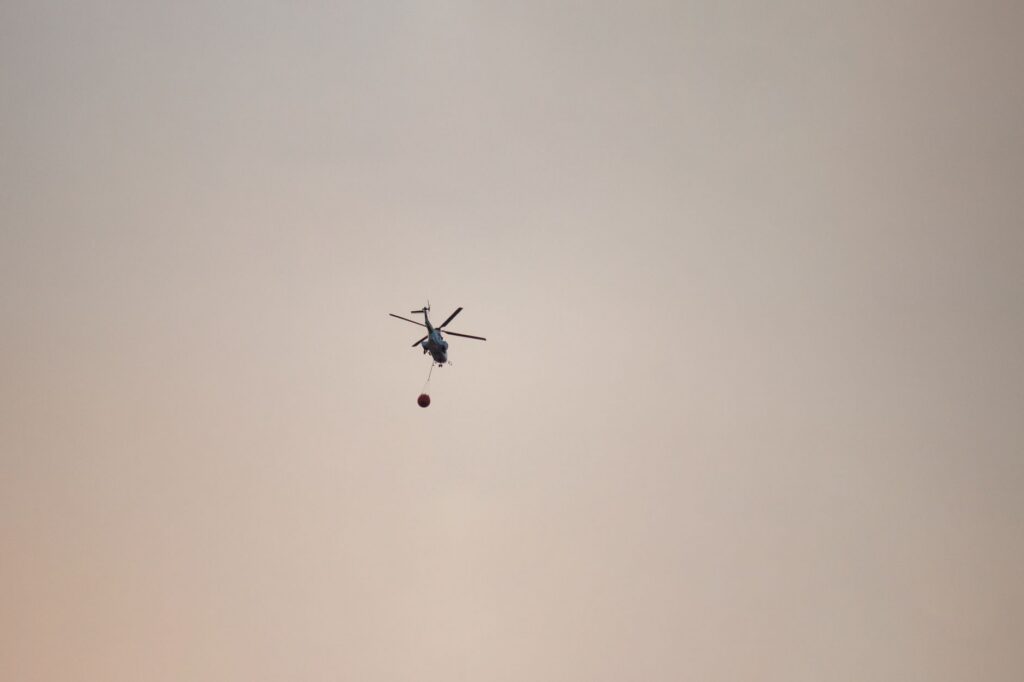
Children whose mothers inhaled wildfire smoke and other polluted air during the later part of pregnancy had a higher chance of asthma in early childhood, according to research released Nov. 12 from Phoenix, Arizona. Investigators are presenting the work at the 2026 annual scientific meeting of the American College of Allergy, Asthma and Immunology (ACAAI), held Nov. 12-16.
The team reports an association only. The research does not show that smoke causes asthma.
Who was studied and how
The analysis covered 1,097 full-term babies born in Northern California, where big fires burned between 2017 and 2020 and sent smoke over densely populated areas. A group of 108 came from the B-SAFE (Bio-Specimen Assessment of Fire Effects) study and had mothers who were pregnant during the fires. The remaining 989 were born at UC Davis Medical Center from 2017 to 2019 to families in fire-affected areas, and their records were reviewed for the study.
For each mother, the researchers estimated daily exposure to polluted air during pregnancy and after delivery. They used two measures: fine particulate matter (PM2.5), which is a mix of very small airborne particles from sources such as smoke, vehicles and industry that reach deep into the lungs, and pollution attributed to wildfire smoke itself.
They adjusted the results for the child’s age and sex, the stage of pregnancy at delivery, a family history of asthma and whether the mother was around tobacco smoke during pregnancy.
What the researchers found
- Higher PM2.5 exposure in the second trimester (months 4 to 6) went along with asthma in the early years.
- Higher exposure to wildfire pollution in the third trimester (months 7 to 9) and near the birth date showed the same pattern.
Why it matters
Lung development starts before birth, so the team set out to learn whether smoke breathed in the womb shapes breathing later. Lead author Anh Nguyen, MD, said the results suggest some stages of pregnancy may be more vulnerable to wildfire smoke than others.
According to the release, pinpointing the riskiest months could let doctors give pregnant women sharper guidance in fire season, and could help health officials plan protection for them when smoke fills the air. Pregnant women and small children are among those most at risk from any smoke, the release says.
Steps named by the lead author
Nguyen said that pregnant women cannot choose when a fire starts, but on smoky days they can stay inside, keep windows shut and run an air purifier to cut the amount of smoke they breathe. The ACAAI adds that parents of a child whose asthma is poorly controlled should talk to a board-certified allergist about treatment.
For help interpreting local smoke conditions, see how to read AirNow’s smoke map. The abstract is titled “Effect of Prenatal Wildfire Exposure on Asthma Development,” and Nguyen is the presenter.
Source: Mirage News