Indonesia Leads World in Smoke-and-Heat Double Exposure, Study Finds
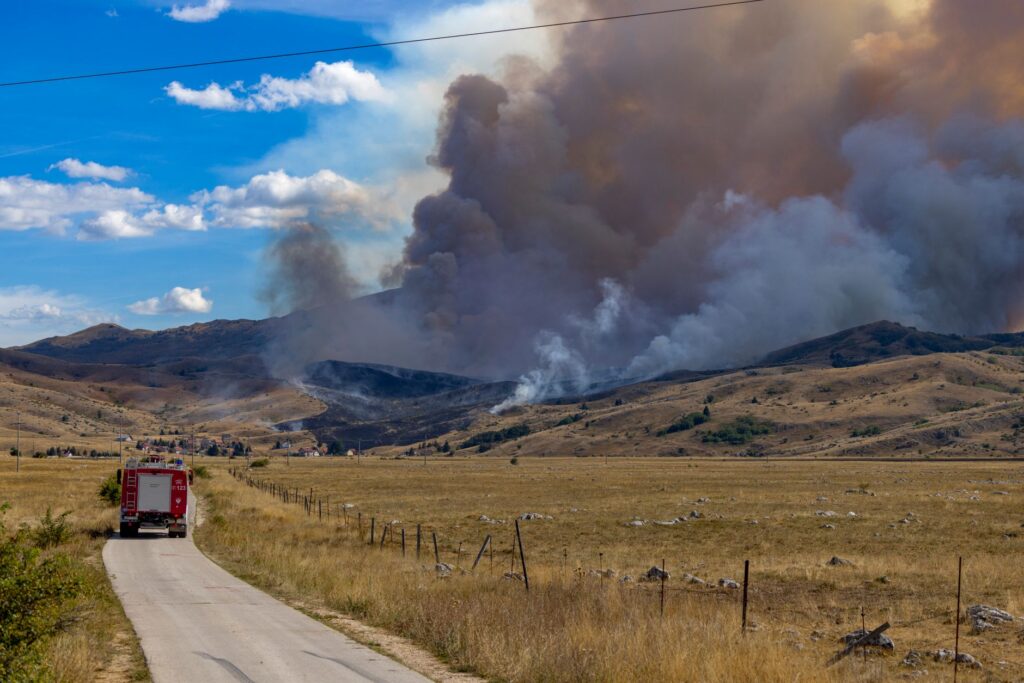
Indonesia had the highest number of people exposed to wildfire smoke and a heatwave on the same days, averaging 101 million a year in 2010-2019, according to a study in the journal Science Advances covered by Mongabay on Nov. 24 (UTC). Researchers at Monash University in Melbourne, Australia, analyzed 2000 to 2019 and found the double exposure has become more common worldwide.
The study’s authors say the combination may be harder on the body than either hazard alone. The findings arrive after Indonesia’s 2026 haze season, which Mongabay reports may be past its worst, with fewer hotspots detected in recent weeks.
What the Monash study found
On average, 916 million people, or 56% of the global population, experienced at least one day of combined wildfire air pollution and heatwave each year, the study reported. The total rose by 287 million from one decade to the next. The five worst-affected countries were the Democratic Republic of the Congo, Indonesia, Mexico, Brazil and Russia.
The authors attribute the rise to climate change, saying it has increased the frequency and intensity of heatwaves and landscape fires occurring together.
Why Indonesia’s numbers rose
Indonesia’s annual average climbed from 72 million people in 2000-2009 to 101 million in 2010-2019. Wu Yao, a study author and adjunct research fellow at Monash’s School of Public Health and Preventive Medicine, told Mongabay that about 82% of the increase came from changes in how often people were exposed. Population growth accounted for about 18%.
Heatwave days drove the change. The average person in Indonesia experienced about 17 heatwave days a year in 2000-2009 and 42 in 2010-2019. Smoke exposure days rose only slightly, from about 27 to 28.
Southern Sumatra and central and southern Kalimantan had the combined hazards most often, Wu said, with notable increases in eastern Kalimantan. Java had high exposure in 2015 and 2019, both El Niño years. Wu said the study did not examine El Niño, peatland conditions or land use, so it cannot say what caused the changes in specific places.
Cambodia saw one of the sharpest increases globally. It moved from 40th place in 2000-2009 to ninth in 2010-2019 for co-exposure days per person, with the yearly average rising from about 1.6 to 12.1.
The 2026 haze in Indonesia
Palangka Raya, the capital of Central Kalimantan province, was among the worst-hit cities. From August to October 2026, its fine-particle pollution averaged nearly 10 times the 2021 to 2025 level, according to BMKG, Indonesia’s meteorological agency. Residents also experienced a heatwave in August, BMKG data showed. Fine particles are tiny airborne specks that can reach deep into the lungs; AirNow’s smoke map is one way U.S. readers see them tracked.
An independent assessment by The TreeMap, published on Nusantara Atlas, estimated that around 1.9 million hectares (4.7 million acres) burned across Indonesia from January to September 2026. That is 38% higher than its estimate for the same period in 2019.
Mongabay reports the haze affected at least 40 million people in Indonesia. The Health Ministry recorded 333,470 acute respiratory infection cases from Aug. 18 to Oct. 21 in the seven Sumatra and Kalimantan provinces worst hit by fires. The nonprofit Centre for Research on Energy and Clean Air estimated that short-term exposure to fire pollution contributed to 5,200 deaths in the country in August and September. The haze also crossed borders into Malaysia, Singapore, the Philippines and Timor-Leste, closing schools and increasing upper respiratory infections, asthma and conjunctivitis.
What this means for health
The Monash authors write that exposure to both hazards “may exert greater health impacts than the sum of their individual effects.” They list heat stress, respiratory distress and cardiovascular complications as possible results. Earlier research in California found that combined smoke and extreme heat increased hospitalizations more than either alone, and a 2022 study there estimated mortality risk tripled on days with both extreme heat and extreme air pollution.
Tjandra Yoga Aditama, a pulmonologist and professor at the University of Indonesia’s Faculty of Medicine who was not part of the study, confirmed that heat and smoke together do more harm than either one. He said children, older people, people with existing conditions and outdoor workers face the highest risk. Heat can worsen heart disease, respiratory disease and diabetes and, in severe cases, cause heat exhaustion or heatstroke, he said.
Outlook from BMKG
BMKG expects El Niño conditions to continue into early 2027, bringing longer drought and extreme heat. Ardhasena Sopaheluwakan, the agency’s deputy for climatology, said the 2026-27 rainy season is predicted to arrive later than normal in most of the country. Most areas are expected to enter it in November to December 2026 instead of October, and the start will be gradual rather than simultaneous across regions.
The Monash team plans to update its analysis beyond 2019. People in affected areas can check air quality and heat notices and instructions from local health and disaster officials and their national weather service.
Source: Mongabay News