Storm Surge Watch vs Warning in Florida: Meaning and Evacuation
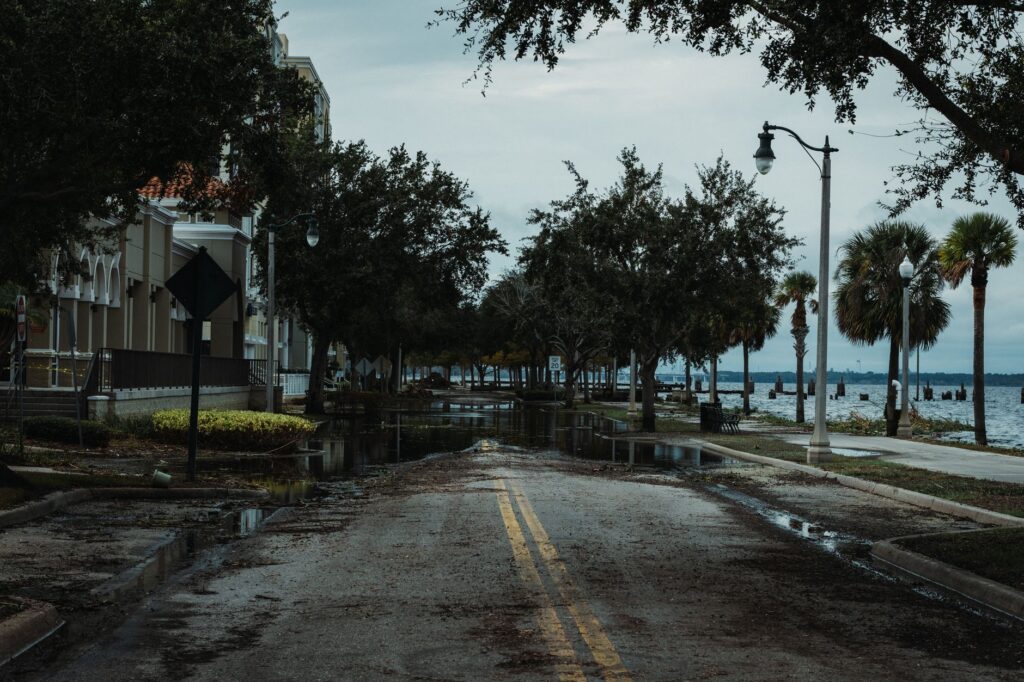
A storm surge watch from the National Hurricane Center (NHC) means life-threatening flooding from rising seawater is possible in a named coastal area, and a storm surge warning means that flooding is expected. Surge is water pushed onto land by a storm’s winds, and the NHC describes it as currently the leading cause of fatalities from hurricanes. Local emergency officials decide who evacuates, and the NHC says emergency managers plan to finish evacuations before tropical storm-force winds begin.
What is the difference between a storm surge watch and a storm surge warning?
A watch is the earlier alert: the threat of life-threatening inundation exists in the area but is not yet certain. A warning follows when the flooding is expected, which means the highest level of concern for that stretch of coast. The pattern is the same as in other National Weather Service alerts, which the guide to watch, warning and advisory alerts explains.
Surge alerts are separate from the hurricane watches and warnings that describe wind. The page on hurricane watch and warning alerts covers those. The areas covered and the exact wording of each alert appear in the NHC’s current advisories.
How is storm surge different from the tide?
The tide is the regular rise and fall of the sea. Storm surge is an abnormal rise in water level above the predicted astronomical tide, produced by a storm. Storm tide is the water level that results when surge and the astronomical tide combine.
When surge coincides with normal high tide, the NHC says storm tides can reach 20 feet or more in some cases. Neither figure includes waves, which ride on top of the surge and can add more feet to the total water level. The NHC’s hurricane hazards page says surge can reach heights well over 20 feet, span hundreds of miles of coastline and travel several miles inland. The surge overview adds that it can move up rivers and canals and reach well inland.
How is storm surge different from wind and rain?
Wind creates surge, but the damage it causes is separate from wind damage. Strong onshore winds push water toward the coast. Once the storm reaches shallower water near the shore, the ocean bottom blocks the water from moving downward, so it rises and moves inland.
The NHC says water weighs approximately 1,700 pounds per cubic yard, and extended pounding by waves can demolish any structure not designed to withstand it. Currents erode beaches and coastal highways, and buildings that survive the wind can be damaged if erosion undermines their foundations. Hurricane-force winds, 74 mph or more, destroy buildings and mobile homes in their own right.
Rain is a third hazard. Tropical cyclones often bring rain in excess of 6 inches, and the NHC calls flooding the major threat from them for people living inland. Rainfall depends on the storm’s speed, size and the local terrain more than on its strength. The NHC’s advice for flooded roads is Turn Around Don’t Drown.
Why does storm surge differ along Florida’s coasts?
The shape of the seabed and coastline changes how high the water rises. The NHC says a wide, gently sloping continental shelf allows a higher surge, while a narrow, steep shelf makes it harder to build. Florida’s southeast coast has a shelf that drops off quickly and is less vulnerable to surge. Wikipedia adds that this steep shelf tends to bring lower surge but larger waves, while the shallow Gulf side and Florida Bay are subject to higher surges with smaller waves.
The NHC also says surge is higher when a storm makes landfall on a concave coastline, curved inward like Apalachee Bay in Florida. Other factors are the storm’s intensity, size, forward speed and angle of approach. A faster storm produces a higher surge at the coastline, while a slower one pushes surge farther inland. The NHC cites Hurricane Ian in 2022, a Category 4 storm that struck the Fort Myers Beach area, and attributes 41 lives lost to the surge.
When should you evacuate for storm surge?
Evacuate when local emergency officials order it for your area. The NHC states that emergency managers plan to have evacuations complete and their personnel sheltered before the onset of tropical storm-force winds, not hurricane-force winds, so orders come ahead of the storm’s arrival.
The NHC lists national surge hazard maps and a storm surge risk map for the U.S. coast among its resources for checking where surge is a threat. Follow your county’s emergency management office and the National Weather Service for current instructions.
Quick answers
Can storm surge reach far from the coast?
The NHC says it can travel several miles inland and can move up rivers and canals to reach well inland.
Does a lower hurricane category mean a lower surge?
Stronger winds produce a higher surge, but the NHC lists size, forward speed, angle of approach and the shape of the coast and seabed as factors too. The Saffir-Simpson Hurricane Wind Scale rates sustained wind speed.
Can a distant storm still be dangerous at the beach?
Yes. The NHC notes that in 2008 Hurricane Bertha, more than 1,000 miles offshore, caused rip currents that killed three people on the New Jersey coast and led to 1,500 lifeguard rescues in Ocean City, Maryland, over a week.
Do hurricanes also produce tornadoes?
Yes. They occur most often in thunderstorms embedded in rain bands away from the center, and the NHC says they are usually relatively weak and short-lived but still a significant threat. The guide to tornado watches and warnings explains those alerts.
Checked against official sources in November 2026. Alert criteria, records and guidance are revised: check the official agency page for current information.