M5.7 Quake in Western Shizuoka Shakes Aichi; JMA Sees Low Nankai Link
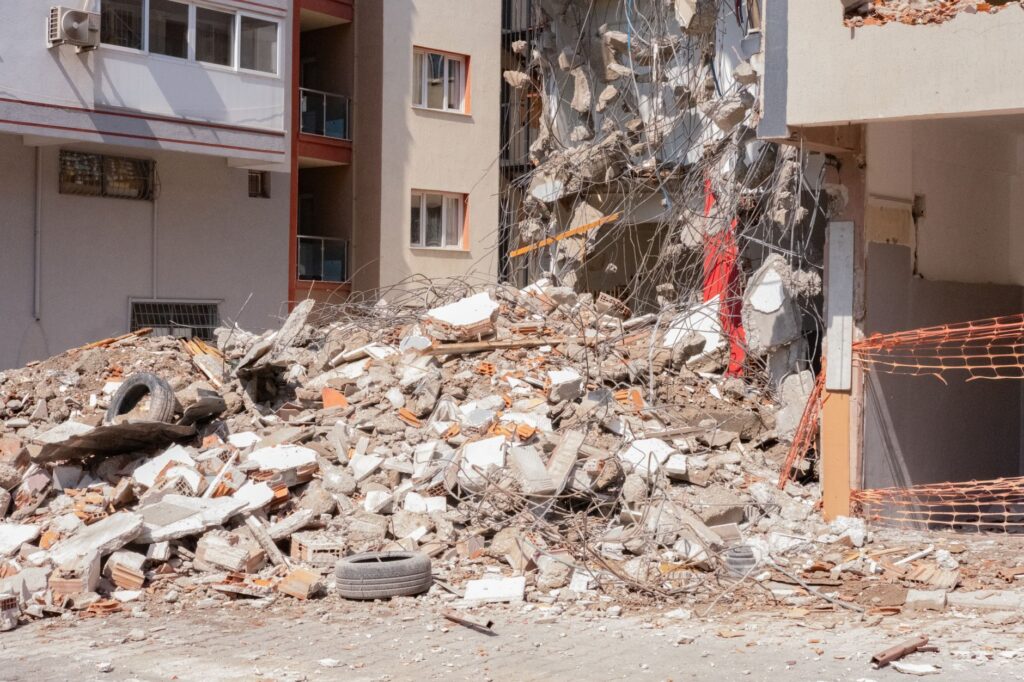
An earthquake with a magnitude of 5.7 and a depth of 41 km struck western Shizuoka Prefecture, Japan, at 1:04 a.m. on Nov. 8 (Japan time), according to the Japan Meteorological Agency (JMA). The agency recorded a seismic intensity of 5-strong in Chita City, Aichi Prefecture.
The JMA said the quake occurred within the assumed source region of a Nankai Trough megathrust earthquake, but that it “does not indicate any particular change in the locked state between the plates.” The agency considers the connection low at this time. It asked people in areas that shook strongly to watch for further quakes of around intensity 5-strong for about a week.
What was recorded
The Nihon Keizai Shimbun reported that this is the first time in 29 years, since 1997, that intensity 5-strong or higher has been observed in Aichi Prefecture. Japan’s intensity scale measures shaking at a given location, not the energy released by the quake. According to the JMA’s scale description, at 5-plus levels it is difficult to walk without holding onto something, and unfixed furniture may fall over.
Reported injuries and damage
Figures through the night of Nov. 8 come from CBC Television, Chunichi Shimbun Web and Shizuoka Broadcasting System and may change. The reports say:
- In Tokoname City, Aichi Prefecture, a person fell down stairs while evacuating and fractured an ankle.
- Part of a gymnasium ceiling collapsed.
- In Shizuoka Prefecture, a block wall collapsed and a prefectural road crumbled.
Why the JMA sees a low Nankai Trough connection
Reports based on JMA press conferences, including Fuji TV, say the explanation rests on the depth of the epicenter. The “locked state” means plates stuck together and not moving. The JMA monitors whether that state has changed significantly, to assess any relationship with a megathrust quake.
The JMA pointed to a precedent: on Oct. 7, 2018, an M5.0 quake at a depth of 42 km struck eastern Aichi Prefecture. Like this one, it had a tension axis running east-northeast to west-southwest and occurred within the Philippine Sea Plate. The focal mechanism describes the direction and manner in which the fault moved.
The division director also said it “cannot be said that there is no possibility” of a connection, according to the source article. A link can neither be ruled out definitively nor called a precursor, and the JMA considers it low for now.
Why it matters: Nankai Trough extra information
“Nankai Trough Earthquake Extra Information” is issued by the JMA when anomalous phenomena are observed along the trough. The agency holds an emergency evaluation committee meeting under certain conditions, including a quake of M6.8 or higher. This M5.7 quake falls below that threshold. A meeting is also held if strain meters or other data suggest changes in the locked state. According to the Cabinet Office, an “Under Investigation” notice is issued 5 to 30 minutes after an anomaly is observed. Extra information was issued in August 2024 and January 2025.
The JMA planned to hold its regular Evaluation Committee on Earthquakes along the Nankai Trough on Nov. 9, with a detailed analysis that includes this quake. The meeting is not one convened to issue extra information. Results had not been released as of the source’s publication.
What the JMA is asking for the coming week
The JMA press release of Nov. 8 asks people to note the following:
- In past cases, the probability of a quake of similar magnitude following a large earthquake was 10 to 20 percent.
- In areas with strong shaking, stay cautious of quakes up to intensity 5-plus for about a week, especially the next two to three days. That period runs to around Nov. 15.
- Because the risk of rockfalls and landslides has increased, be cautious of further quakes and rain.
Readers should follow their local emergency officials and the JMA for current instructions.
Longer-term Nankai Trough context
In September 2025, Japan’s Earthquake Research Committee listed the 30-year probability of a Nankai Trough megaquake as “around 60-90% or higher” and “around 20-50%,” according to the JST Science Portal. Reports cited in the source say the situation in which it could happen at any time is unchanged. The government has also said its Nov. 2 emergency request was not triggered by disaster prediction information.
Source: note