Emergency Kit Checklist: 3-Day Supplies, Water, Food, Documents
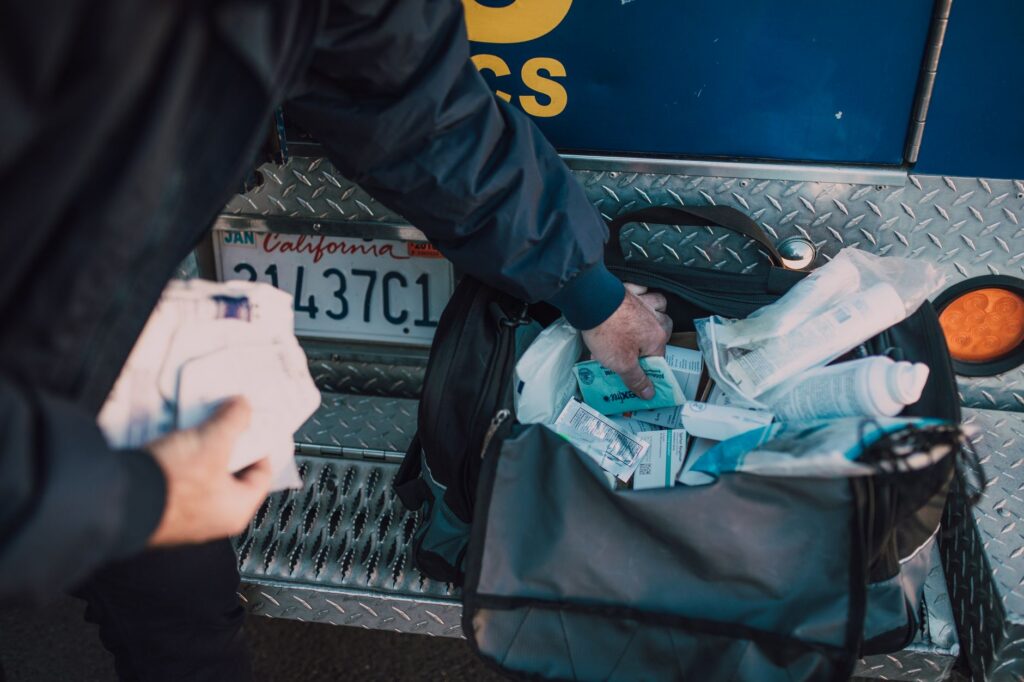
For an evacuation kit, the American Red Cross recommends a 3-day supply of water and non-perishable food, with one gallon of water per person, per day. A kit meant for staying at home should hold a 2-week supply of both. Add medications for 7 days, copies of key documents, a flashlight, a radio, a first aid kit and cash.
How much water and food does each person need?
The Red Cross sets water at one gallon per person, per day. Pack a 3-day supply if the kit is for evacuation and a 2-week supply if it stays at home. Food follows the same timing: non-perishable items that are easy to prepare, 3 days for evacuation and 2 weeks for home.
Multiply the daily gallon by each person in your household, and include any pets whose supplies you list. The Red Cross page does not give an amount for pets, so check its guidance for their needs.
What basic supplies belong in the kit?
The Red Cross lists these as the minimum, beyond water and food:
- Flashlight and extra batteries
- Battery-powered or hand-crank radio (a NOAA Weather Radio, if possible)
- First aid kit
- Multi-purpose tool
- Sanitation and personal hygiene items
- Cell phone with chargers
- Family and emergency contact information
- Extra cash
- Emergency blanket
- Map or maps of the area
Keep everything in an easy-to-carry container, so the same kit works at home or when you must leave.
Which medicines and medical items should I pack?
The Red Cross calls for a 7-day supply of medications and medical items. Include hearing aids with extra batteries, glasses, contact lenses and syringes if anyone in the household uses them. Keep a medication list and pertinent medical information with your documents.
Which documents should I copy?
The Red Cross lists copies of personal documents:
- Medication list and pertinent medical information
- Proof of address
- Deed or lease to your home
- Passports
- Birth certificates
- Insurance policies
What should I add for family members?
After the basics, the Red Cross suggests adding what each person needs:
- Baby supplies: bottles, formula, baby food and diapers
- Games and activities for children
- Pet supplies: collar, leash, ID, food, carrier and bowl
- Two-way radios
- An extra set of car keys and house keys
- A manual can opener
What should I add for hazards where I live?
The Red Cross says to consider extra items depending on the disasters common in your area: a whistle, N95 or surgical masks, matches, rain gear, towels, work gloves, tools and supplies for securing your home, extra clothing, a hat and sturdy shoes, plastic sheeting, duct tape, scissors, household liquid bleach, entertainment items, and blankets or sleeping bags.
A car kit is a separate case. This site covers it in what to pack if you are stuck in your car in a winter storm. For tornado-prone areas, the tornado emergency and PDS warning guide explains the alert terms.
How often should I refresh the kit?
The Red Cross page does not set a refresh schedule, so check its current guidance. A practical routine is to look through the kit regularly, since food, batteries and medications carry their own dates. Update the document copies and contact information whenever your address, insurance or medications change, and add anything new your family needs.
Quick answers
Is a 3-day kit enough?
The Red Cross sizes an evacuation kit at 3 days and a home kit at 2 weeks, so the answer depends on whether you plan to leave or stay.
Should the radio be a special type?
The Red Cross says battery-powered or hand-crank, and a NOAA Weather Radio if possible.
Do I need cash?
Extra cash is on the Red Cross minimum list.
Checked against official sources in November 2026. Alert criteria, records and guidance are revised: check the official agency page for current information.