California 7th Grader Wins Award for AI Aftershock Analysis Tool
A seventh-grader from San Carlos, California, won the First Place Technology Award at the 2026 Thermo Fisher Scientific Junior Innovators Challenge for a program that analyzes aftershocks, The Economic Times reported. Bowen Wang, 12, built the tool, called Aftershock Oracle, from U.S. Geological Survey (USGS) earthquake records.
The program remains a student research project. It is not an earthquake alert system, and the report says it would need outside trials before anyone could use it as a safety tool.
How Aftershock Oracle was built
According to The Economic Times, Wang analyzed USGS records covering 75 years, from 1950 to 2025, and also researched where tectonic plates are located. He then trained machine learning programs, which are computer methods that find patterns in data, to look at main earthquakes and the aftershocks that followed them.
He tested three types of program: XGBoost, Logistic Regression and Random Forest. All three could analyze aftershocks. Society for Science, which runs the contest, recognized XGBoost as the one that did best, and Wang used it for Aftershock Oracle.
A user enters details about a main earthquake, and the tool returns an analysis of the likely nature of any aftershocks. The report says it looks at trends to estimate their likely location, magnitude and frequency.
What the tool does not do
The Economic Times states that scientists cannot currently predict consistently and accurately when a large earthquake will happen or how big it will be. Aftershock Oracle does not give the time of the next earthquake.
The report notes that the USGS already produces its own analysis of the chance of aftershocks. Wang’s project examines how machine learning might add to that kind of assessment. It also says aftershocks generally become less common over time, though damaging ones can still occur.
Why it matters
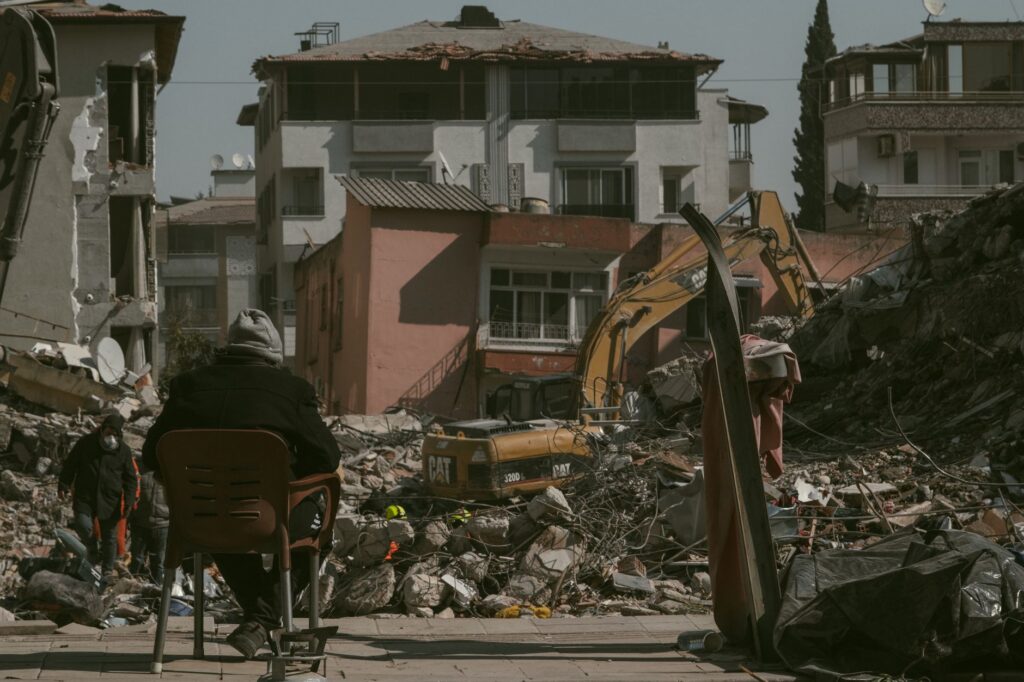
Aftershocks are smaller quakes that follow a larger one. According to the report, they can continue for days or months and can be strong enough to further damage structures already weakened by the main quake. That is the problem Wang set out to study after feeling several earthquakes over the past year near the San Andreas Fault, which is a few miles from his home.
For background on the fault system near his home, see this guide to California’s major earthquake faults. Official aftershock information comes from the USGS, and local emergency officials issue instructions after any earthquake.
The award
The Thermo Fisher Scientific Junior Innovators Challenge is a nationwide contest run by Society for Science that recognizes investigative work by middle schoolers. Wang received a $3,500 scholarship for education. According to his Society for Science profile, as cited by The Economic Times, he wants to become a civil engineer and later start his own company. The report adds that he likes ice hockey and books.
Source: The Economic Times