Portland Orders 20% Fuel Storage Cut at Riverfront Hub by 2036
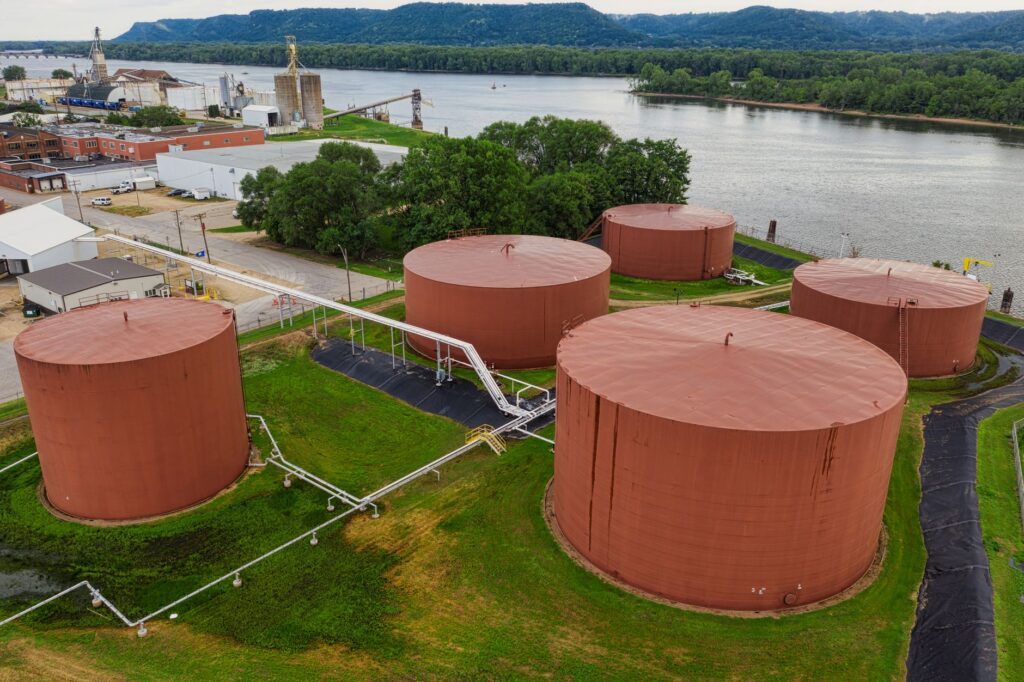
The Portland City Council unanimously approved rules on Nov. 12 that require terminals in the city’s riverfront fuel hub to cut in-service fuel storage capacity by at least 20% by Dec. 1, 2036, as a way to reduce risk from a major earthquake. The hub is a roughly 6-mile industrial corridor along the Willamette River in northwest Portland, and city officials say more than 90% of Oregon’s liquid fuel supply passes through it.
The changes take effect Dec. 11, 2026. This is a city land-use and planning action, not an earthquake or an official hazard warning. The figures below come from a report by Yahoo, which republished material from When In Your State, and are attributed to city officials or a county study where the report does so.
The numbers behind the decision
- 20%: the minimum reduction in in-service storage capacity, measured against each terminal’s established baseline. The rule covers available storage space, not fuel sales or how full tanks are.
- Dec. 1, 2036: the deadline for terminals to meet the reduction. The rules take effect Dec. 11, 2026, giving facilities nearly 10 years.
- More than 90%: the share of Oregon’s liquid fuel supply that passes through the hub, according to city officials.
- 11: the number of major bulk fuel terminals in the hub, with several hundred storage tanks in the corridor overall.
- 1954: the average construction year for tanks with known build dates, according to a county study. Many tanks predate modern seismic requirements.
- 94.6 million to 193.7 million gallons: the range of material a county-commissioned study estimated a major Cascadia earthquake could release from tanks at the hub, depending on conditions and damage. These are modeled estimates, not a spill that has occurred.
Why the hub is considered vulnerable
Much of the hub sits on soil prone to liquefaction. In strong shaking, waterlogged ground can lose strength and act more like a liquid, which threatens heavy tanks and connected pipes. The ground can also spread sideways toward the river, which could damage foundations and equipment. Researchers who worked on the county study warned that damaged tanks could threaten nearby waterways, neighborhoods and the regional fuel system. For background on the regional fault, see this guide to earthquakes in Oregon, including Cascadia.
Exemptions and limits on expansion
The 20% reduction does not apply to tanks used exclusively for aviation fuel under specified conditions. Regulated public utilities and certain pipeline-related tanks are also exempt. City officials say the exceptions reflect different operating needs, including airport fuel demand and utility reliability.
The council also adopted separate zoning changes that restrict expansion of bulk fuel storage and of equipment that transfers fuel between tanks, trains and other transportation systems. Aviation fuel storage capacity may expand by up to 5%. Terminals must file annual inventory reports and baseline information so the city can track compliance.
Why it matters
Because so much of the state’s liquid fuel moves through one corridor, damage at several facilities at once could interrupt deliveries beyond Portland, according to the report. The rule is intended to lower long-term disaster risk. It does not eliminate earthquake danger or immediately remove older tanks, and its effect will depend on how terminals comply and how the city monitors progress.
City modeling suggests demand for many liquid fuels could decline over coming decades, which would help terminals operate with less capacity, while aviation fuel is expected to grow. An independent review identified uncertainties in those forecasts, so outcomes such as fuel prices or uninterrupted supply cannot be guaranteed.
Upcoming deadlines
- March 31, 2027: interim progress update due from the City Administrator.
- Sept. 30, 2027: the City Administrator must present a public health and natural hazards risk reduction plan for the hub, covering emergency preparedness, evacuation procedures and firefighting capabilities.
- 2028, 2031 and 2036: reports scheduled to review capacity reductions and changing fuel forecasts.
Residents can find local emergency preparedness information from Portland and Oregon emergency officials.
Source: Yahoo