Severe Thunderstorm Watch vs Warning in Texas: What to Do
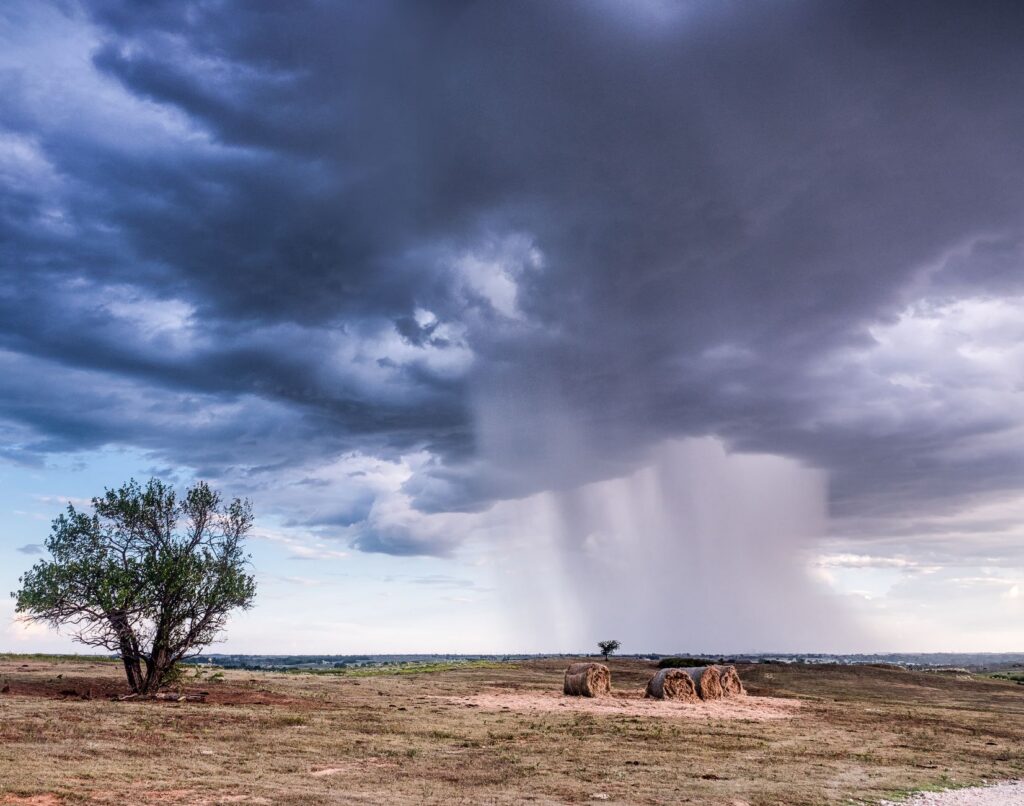
A severe thunderstorm watch means conditions could produce severe storms in and near a large area, so be ready to act. A severe thunderstorm warning means severe weather has been reported or shows up on radar, and the National Weather Service says to take shelter in a substantial building. In Texas, as elsewhere in the U.S., a storm counts as severe when it can produce hail an inch or larger or wind gusts over 58 mph.
What does a severe thunderstorm watch mean?
A watch means severe thunderstorms are possible. The National Weather Service describes the watch area as typically large, covering numerous counties or even states, and tells people in it to stay informed and be ready to act if a warning follows. Wikipedia’s entry on the watch adds that an area under a watch can have fair weather with few clouds before storms develop.
In the lower 48 states, watches come from the Storm Prediction Center, a national guidance center of the Weather Service. They are typically valid for six to nine hours and can run as long as 12 hours in unusually steady or slow-moving events. They are meant to come ahead of the first report of severe hail or wind by 45 minutes to one hour. Average coverage runs from 20,000 to 40,000 square miles, often across parts of more than one state.
What does a severe thunderstorm warning mean?
A warning means severe weather is happening or about to. Spotters have reported it or radar has indicated it, and the Weather Service calls the situation an imminent danger to life and property. Warnings usually cover a far smaller area than watches, around the size of a city or small county, where a forecaster or trained spotter sees large hail or damaging wind in a specific storm.
Warnings come from local Weather Forecast Offices. They go out through the media, the internet and NOAA Weather Radio. Depending on how severe the storm is and the office’s judgment, they can also trigger the Emergency Alert System and Wireless Emergency Alerts on cellphones, according to Wikipedia’s page on the severe thunderstorm warning.
What makes a thunderstorm severe?
The Weather Service defines a severe thunderstorm as one capable of hail an inch or larger or wind gusts over 58 mph, as its thunderstorm safety page explains. Hail that size can damage plants, roofs and vehicles. Wind that strong can break large branches and knock over trees. Some severe storms produce hail larger than softballs or winds over 100 mph.
Tornadoes also count toward the U.S. definition. The Weather Service adds that thunderstorms can bring dangerous lightning, and heavy rain can cause flash flooding. For that hazard, see the guide to flash flood warnings and flood warnings.
What is a derecho and how does it appear in alerts?
A derecho is a widespread, long-lived windstorm that comes from a fast-moving line of thunderstorms. It has no separate alert of its own. It arrives as an ordinary severe thunderstorm warning, or sometimes under a watch with stronger wording.
When conditions favor very destructive hail and wind, the Storm Prediction Center can add the phrase “particularly dangerous situation” to a watch. Wikipedia says that wording usually points to a widespread threat of hail greater than two inches across and winds greater than 75 mph, or to conditions that favor a bow echo or derecho moving at 55 mph or faster. Straight-line winds from strong downdrafts can do damage as severe as a lower-category tornado over a path wider than a tornado’s.
How should I respond to a watch and to a warning?
During a watch, the Weather Service says to be prepared. The steps below follow its guidance and the advice summarized on Wikipedia:
- Review your thunderstorm safety plan in case you need to shelter on short notice.
- Keep a way to receive alerts: local broadcast media, a weather radio, app notifications or text messages.
- Check conditions again as the day goes on, since an area under a watch can look calm at first.
During a warning, the Weather Service says to take action:
- Go into a substantial building.
- Leave a mobile home, which can blow over in high winds.
- Follow updates from your local National Weather Service office and local emergency officials.
If a tornado is detected on radar or seen, a tornado warning is issued in place of or alongside the severe thunderstorm warning. Both alert types are explained in the guide to tornado watches and warnings. Texas readers can also look at how tornado season and warnings work in Texas.
Does a warning always follow a watch?
No. Wikipedia notes that a watch usually comes first but not always. Severe thunderstorm warnings are often issued when no severe thunderstorm watch is active, for example when a tornado watch is in effect, or when storms are not expected to cover enough ground to need a watch. The general rules for every alert tier are in the guide to watches, warnings and advisories.
Quick answers
Does a storm need both hail and strong wind to be severe?
No. Either one is enough: hail of an inch or larger, or wind gusts over 58 mph. A tornado also meets the U.S. definition.
Can a severe thunderstorm produce a tornado with little notice?
Yes. Wikipedia says severe thunderstorms can and occasionally do produce tornadoes without warning, and some local offices add wording to warnings telling people to watch for tornado alerts.
Which alert covers a bigger area?
A watch. It can span numerous counties or states, while a warning usually covers an area about the size of a city or small county.
Checked against official sources in November 2026. Alert criteria, records and guidance are revised: check the official agency page for current information.