Post-Fire Floods Cost More Than the Flames, Study of 29 US Wildfires Finds
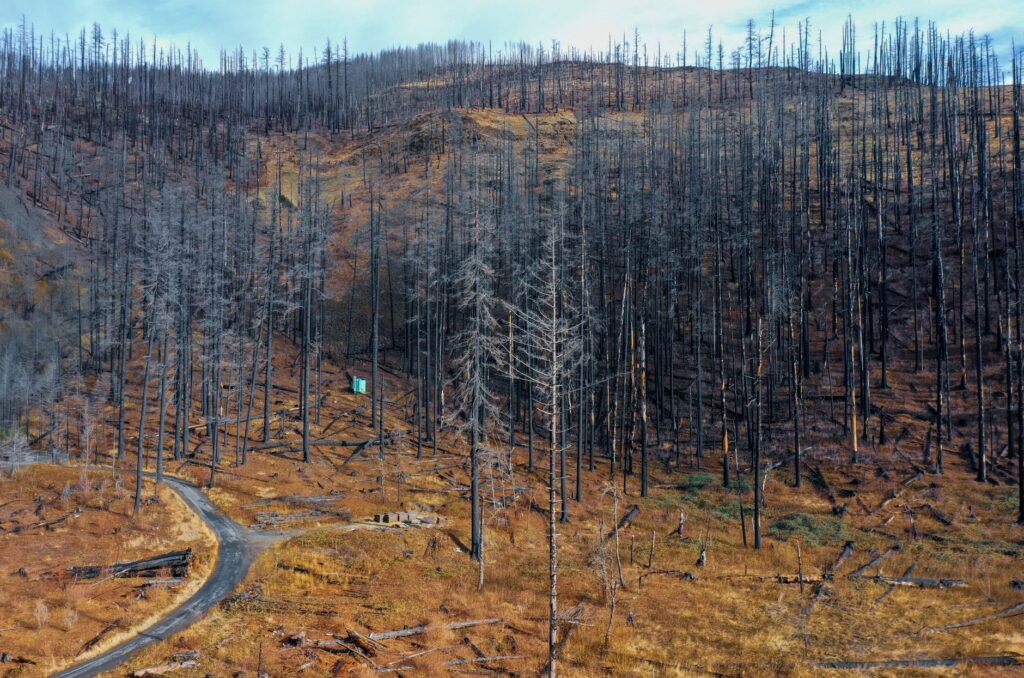
The flooding that follows a wildfire can cost communities more than the fire did, according to a review of 29 US wildfires by researchers at the Conservation Economics Institute, a nonprofit. Wildfire Today reported the findings on Nov. 22.
The researchers say most cost studies come up short because they are finished too soon after a fire. Floods and mudslides off a fresh burn scar can arrive weeks or years later, after the damage tally is already closed.
What the researchers counted
The team ran a meta-analysis, a study that pulls together the results of earlier studies, and published it in the journal Trees, Forests and People. Across the 29 fires, they identified 131 distinct kinds of wildfire costs and sorted them into nine categories. The stated goal was to help communities plan for a future in which fires happen more often.
Leaving flooding aside, the largest shares of cost went to:
- Damage to and loss of buildings and their contents: 37% of total costs.
- Fighting and containing the fire: 22%.
- Harm to ecosystems, including water, carbon, timber and wildlife species: 18%.
The researchers also found that wildfire costs have climbed steadily over the last two decades.
Two fires studied years later
Two fires stood out because their cost assessments were done years after the flames were out, which let them capture far more of the damage. One was Arizona’s Schultz Fire in 2010. The other was California’s Thomas Fire in 2017.
In both cases, flooding from the burn scar did more harm than the fire that created it, the researchers said. For the Thomas Fire, heavy rain fell about a month after the fire began. The flash floods that followed killed 21 people and damaged homes, roads and other infrastructure, according to the study.
The authors described this kind of flooding as a second disaster stacked on the first, one that can hit a community with the same range of losses a wildfire causes.
Why it matters for burn scar areas
Burned ground behaves differently in a storm. According to Wildfire Today, flooding after a fire is uncommon, but the steep terrain and slopes that help large fires grow also raise the risk of floods and mudslides, and a fire can leave soil more prone to flooding.
The researchers expect climate change to make post-fire floods more frequent and more costly, as wildfires happen more often and rain falls harder. “Climate change is expected to increase the prevalence and magnitude of post-wildfire flooding costs,” they wrote.
For people who live below a recent burn, that means the danger does not end when a fire is declared contained. The National Weather Service issues flood and debris flow watches and warnings for burn scar areas, and local emergency officials post evacuation orders when heavy rain is expected. If you live near a recent fire, those are the sources to follow when storms are in the forecast; for a look at how flood alerts work in another setting, see our guide to nor’easter alerts and coastal flooding.
What the study means for damage estimates
The main point of the review is about timing. A cost estimate written in the months after a fire will likely miss flood damage that comes later, so the true price of a fire can be much higher than early numbers suggest. The researchers pointed to the Schultz and Thomas fires as examples of what fuller, later accounting turns up.
Source: Wildfire Today