Mississippi Tornado Season: Peak Months and Dixie Alley Risk
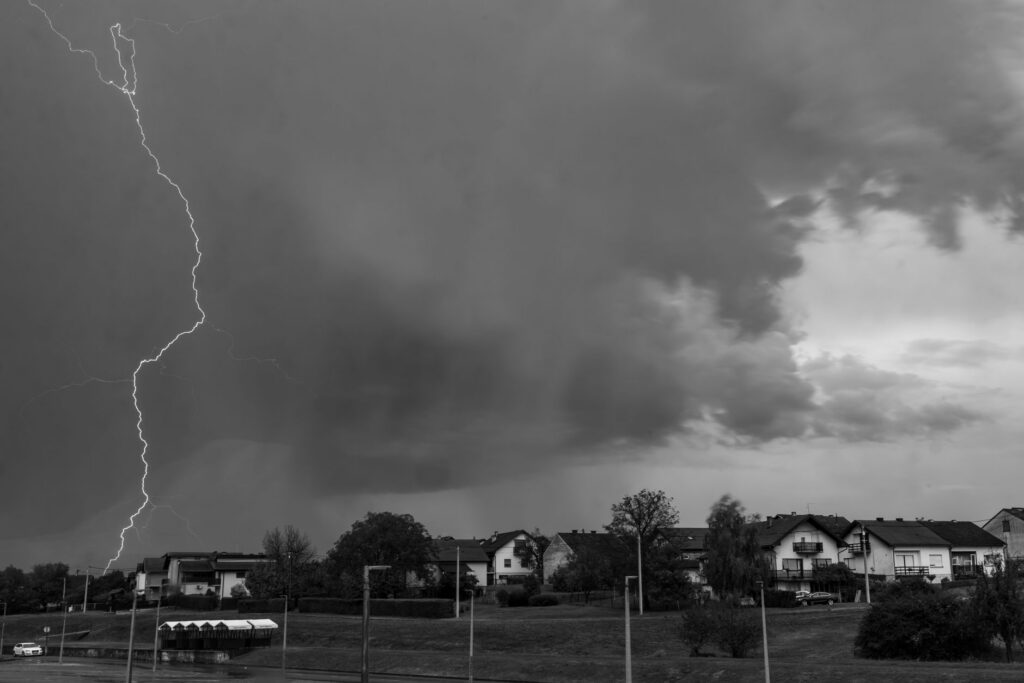
Tornado activity in Mississippi is highest in the spring months of March through May and lowest in August, and tornadoes there most often strike between 2 p.m. and 8 p.m. The state sits in Dixie Alley, a region where storms are often wrapped in rain, can arrive at night and move fast. According to a Wikipedia list of Mississippi tornadoes, at least 2,611 tornadoes have been recorded in the state since 1950.
When is tornado season in Mississippi?
The main season runs from March through May, with the most tornado activity in those spring months. The same list puts the afternoon and early evening hours, 2 p.m. to 8 p.m., as the most common time of day.
The Dixie Alley article on Wikipedia adds that the Southeast has a less focused season than the Plains. Activity is strong in early spring and late autumn and can continue through winter and into late spring. Tornadoes in the region often arrive earlier than the national peak of May and June, usually from February to mid-April.
That early timing has had consequences. After the Super Tuesday outbreak of February 2008 killed 57 people in Dixie Alley, many residents said they had underestimated the threat because the date was well before the peak of the season.
What is Dixie Alley?
Dixie Alley is an informal name for parts of the southern United States that are especially exposed to strong or violent tornadoes. It covers much of the lower Mississippi Valley and stretches from eastern Texas and Arkansas across Louisiana, Mississippi, Tennessee, Alabama, Georgia and western Kentucky to upstate South Carolina and western North Carolina. The term was coined by Allen Pearson, then director of the National Severe Storms Forecast Center, after an outbreak on Feb. 21 and 22, 1971 that included more than nine long-track violent tornadoes and killed 121 people.
Mississippi is a good example of the pattern. For neighboring-state comparisons, see the guides on Alabama tornado season and Texas tornado season.
Why are Dixie Alley tornadoes harder to see and survive?
The Gulf of Mexico feeds moisture into the region, so storms are often high-precipitation supercells. Tornadoes inside them can be partly or fully wrapped in rain, which makes them harder for spotters, police and the public to see. Hilly terrain and thick forest also block the view.
- Instability near the Gulf can last long after sunset, so intense tornadoes happen at night and in the early morning more often than in Tornado Alley.
- Faster winds in the cooler months make tornadoes move faster, which leaves less time to react.
- The South has the highest percentage of manufactured homes in the country, and the risk of death in them from tornadoes is 15 to 20 times higher than in permanent homes.
- Population density in the region is higher, which is part of why death rates are higher.
The Wikipedia article on Dixie Alley also cites a 2018 study that found tornado frequency and impacts shifting eastward in the United States, with relatively higher numbers in parts of the Mid-South, including northern Mississippi.
What are the deadliest tornadoes in Mississippi history?
The deadliest is the Natchez tornado of May 7, 1840, rated F4 by later estimates. It killed 317 people and injured 109, many of them on boats along the Mississippi River. It is described as the second-deadliest tornado in U.S. history, and the list notes that hundreds of deaths may have gone unrecorded because enslaved people were not counted in the official total.
- April 5, 1936, Tupelo: an F5 tornado killed 216 people and flattened over 200 homes. The Mississippi State Geologist estimated 233 deaths.
- April 24, 1908: two F4 tornadoes crossed the state. One destroyed most of Purvis and killed 55 people there. Along its path in Mississippi, 96 people died.
- 1953, Vicksburg: an F5 tornado killed 38 people and injured 270.
- 1966, Jackson: an F5 tornado flattened most of a large shopping center and killed 57 people.
- April 27, 2011: the Super Outbreak produced two EF5 tornadoes in Mississippi, at Philadelphia (three deaths) and Smithville (16 deaths in the state).
- 2023, Rolling Fork and Silver City: an EF4 tornado killed 17 people along its path.
Across all years since 1950, the state’s tornadoes have killed at least 586 people and injured 7,593. The most active year on the list is 2022, with 186 tornadoes and no deaths. The list says higher counts in recent years partly reflect better detection of weak tornadoes.
How do tornado warnings work?
The National Weather Service uses three alert levels, explained on its Understand Tornado Alerts page.
- Tornado Watch. Tornadoes are possible in and near the watch area. The Storm Prediction Center issues watches for counties where tornadoes may occur, and the area often covers numerous counties or even states. The NWS says to review emergency plans, take inventory of supplies and check your safe room.
- Tornado Warning. A tornado has been sighted or indicated by radar, and there is imminent danger to life and property. Your local forecast office issues it for an area about the size of a city or small county. The NWS says to move to an interior room on the lowest floor of a sturdy building and avoid windows. People in a mobile home, vehicle or outdoors should move to the closest substantial shelter and protect themselves from flying debris.
- Tornado Emergency. This is the NWS’s highest alert level. It is issued when a violent tornado has touched down and catastrophic damage is confirmed. The NWS says to seek refuge immediately and not to try to outrun a tornado in a vehicle.
For more on the top-level alerts, see our guide to tornado emergencies and PDS warnings. Local emergency officials and the National Weather Service are the authority on what to do during a storm.
Quick answers
Which months have the most tornadoes in Mississippi?
March through May has the highest activity. August has the lowest. Outbreaks have also struck in late winter and late fall.
What time of day do Mississippi tornadoes happen?
Most occur between 2 p.m. and 8 p.m., but Dixie Alley tornadoes are also more likely than those in Tornado Alley to come at night.
What is the difference between a watch and a warning?
A watch means tornadoes are possible over a wide area. A warning means one has been sighted or shown on radar and danger is imminent for a smaller area.
Checked against official sources in November 2026. Alert criteria, records and guidance are revised: check the official agency page for current information.