Alabama Tornado Season: Peak Months, 2011 Outbreak and Warnings
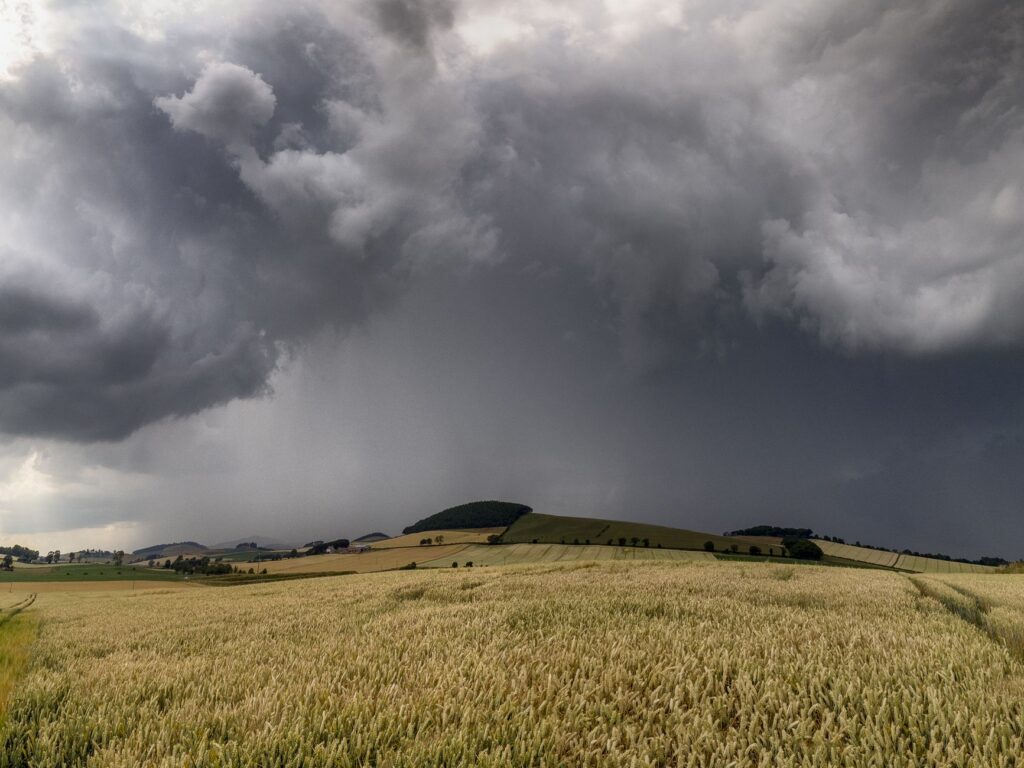
Alabama’s main tornado season usually runs from February to mid-April, earlier than the national peak in May and June, and a second, less focused season arrives in late autumn. The state sits in Dixie Alley, a region where strong tornadoes often strike at night and are hard to see. Alabama averages 64 tornadoes a year, according to the Wikipedia list of Alabama tornadoes.
Warnings come from the National Weather Service, and the Storm Prediction Center issues the wider watches and outlooks that come first. This guide covers when Alabama’s tornadoes happen, why they are dangerous, what happened on April 27, 2011, and how the alert system works.
When is tornado season in Alabama?
The main window is February to mid-April, based on the climatology described on the Dixie Alley page. Tornadoes in the region often arrive well before the national May and June peak. A second stretch of activity falls in early spring and late autumn, and tornadoes can continue through the winter and into late spring.
That spread has consequences. After the February 2008 Super Tuesday outbreak, which killed 57 people across Dixie Alley, many survivors said they had underestimated the threat because it was so early in the year.
For comparison with the Plains, see the guides to Texas tornado season and Kansas tornado season.
What is Dixie Alley?
Dixie Alley is an informal name for parts of the southern United States that are especially prone to strong or violent tornadoes. It stretches from eastern Texas and Arkansas across Louisiana, Mississippi, Tennessee, Alabama, Georgia and mid to western Kentucky, reaching upstate South Carolina and western North Carolina. One source places all of Arkansas inside it.
The term was coined by Allen Pearson, then director of the National Severe Storms Forecast Center, after a February 21 and 22, 1971 outbreak with more than nine long-track, violent tornadoes that killed 121 people.
Why are Alabama tornadoes so dangerous?
The state has had 2,848 tornadoes from 1925 to 2025, and 297 of them were rated F3 or EF3 and above. Alabama has had nine F5 or EF5 tornadoes since 1966. The most recent hit Rainsville in April 2011.
Several features of the region add to the danger:
- Storms are often high-precipitation supercells, so tornadoes can be wrapped in rain and hidden from spotters, police and the public.
- Hills and forests block the view.
- Warm, unstable air near the Gulf of Mexico can last long after sunset, which raises the number of intense tornadoes at night and in the early morning.
- Earlier-season storms hit when daylight is short, and faster winds in the cooler months make tornadoes move faster.
- The Southeast has the highest share of manufactured homes in the country. The risk of dying in one during a tornado is 15 to 20 times higher than in a permanent home.
The southeastern states have recorded more tornado deaths than any Plains state except Texas, even though tornadoes are less frequent there.
What happened in the 2011 Super Outbreak?
From April 25 to 28, 2011, the National Weather Service and Environment Canada confirmed 368 tornadoes in 21 states, a record for a continuous outbreak. Four were rated EF5. The outbreak killed 348 people, including 324 in tornadoes and 24 in other thunderstorm events such as straight-line winds, hail, flash flooding or lightning. Damage reached $10.2 billion.
April 27 was the worst day. Reports differ slightly on the count: one source gives 224 tornadoes for that day and another gives 223. Alabama had 62 tornadoes, and the outbreak included the Hackleburg and Phil Campbell EF5, with winds of 210 mph. Death tolls in Alabama also differ by source. The Storm Prediction Center and the state’s Emergency Management Agency confirmed 238 tornado-related deaths, while another page estimates 247.
The warnings were extensive. The Storm Prediction Center issued 56 watches over the four days, including 41 tornado watches, 10 of them particularly dangerous situation (PDS) watches. It issued a high-risk outlook with a 30% hatched tornado risk centered over northern Alabama, and later a rare 45% hatched risk along a corridor from Meridian, Mississippi, to Huntsville, Alabama. On April 27 alone, the National Weather Service office in Huntsville issued 92 tornado warnings. For the deadliest earlier US outbreak, see the 1925 Tri-State tornado history.
How do tornado watches and warnings work?
A watch covers a large area where conditions favor tornadoes and is issued by the Storm Prediction Center. A warning comes from the local National Weather Service office for a specific area where a tornado has been reported or indicated. The highest-level alerts have their own wording: the guide to tornado emergencies and PDS warnings explains the difference.
Because Dixie Alley tornadoes often form at night and in rain, officials’ alerts matter more there than anything a person can see from a window. Residents should follow instructions from the National Weather Service and local emergency management officials, who set the guidance for each event.
Quick answers
Which month is worst for tornadoes in Alabama?
The sources give a window rather than one month: February to mid-April for the main season, with more activity in early spring and late autumn. The 2011 Super Outbreak struck in late April, and the 1974 Super Outbreak, which brought three F5 tornadoes to Alabama, is the other well-known case.
What was Alabama’s deadliest tornado?
The deadliest single tornado moved across North Alabama and killed 71 people, hitting several communities.
Is Alabama in Tornado Alley?
Usually it is placed in Dixie Alley instead. Some argue Dixie Alley is a separate region with its own characteristics, while other researchers treat both as part of a broader belt of heightened tornado activity between the Appalachian and Rocky Mountains.
Checked against official sources in November 2026. Alert criteria, records and guidance are revised: check the official agency page for current information.