Snow Emergency Parking Bans: What Drivers Must Do and Where to Check
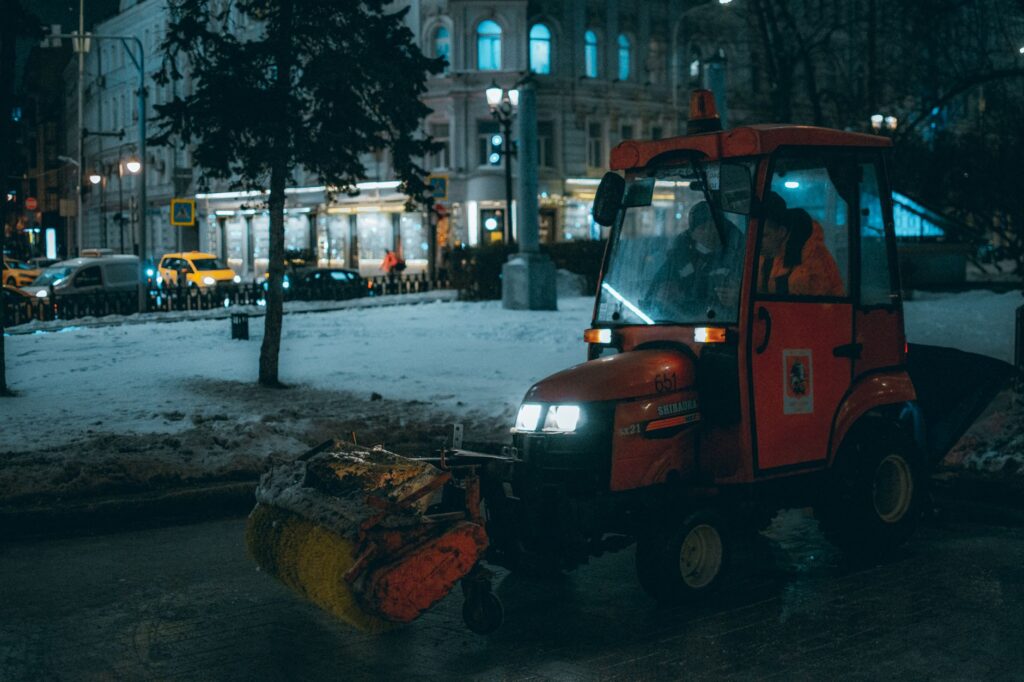
A snow emergency is a local response plan that a city, county or town in the United States or Canada puts into effect when a snowstorm hits hard. For drivers, it usually means parking restrictions on some or all streets so snowplows can clear them, and cars left on a marked snow route can be ticketed and towed. The exact rules are set by each municipality, so the only reliable answer for your street comes from your own city or county.
What does a declared snow emergency mean for drivers?
It means the normal parking rules are replaced by temporary ones until plowing is done. According to the Wikipedia overview of snow emergencies, parking restrictions usually take effect so plows can work through roads and streets, and schools, universities, government offices, airports and other public buildings may close to keep people from getting hurt while traveling. What the term covers changes from one municipality to the next. One city may only restrict parking on main routes, while another may set a schedule that eventually covers every street in town.
Once a declaration is in place, plan for these possibilities:
- Parking may be banned on signed snow routes or on one side of the street at a time.
- Vehicles left in a restricted spot may be ticketed and towed.
- Offices, schools and other public buildings may close.
- In a statewide emergency, travel itself can be banned.
Who declares a snow emergency, and when?
The mayor or another chief executive official of the city or county normally makes the call, and the declaration usually comes after the storm has already hit. Officials consider National Weather Service products such as Winter Storm Warnings, Lake Effect Snow Warnings, Blizzard Warnings and Winter Weather Advisories when deciding. A weather warning and a snow emergency are separate things: the warning comes from forecasters, while the parking rules come from local government.
When a winter storm is life-threatening, a governor can declare a state of emergency for the whole state. That gives the executive extra powers, including banning driving, setting a curfew and sending out staff, equipment, shelters or money that would not be available otherwise.
How do cities run their plowing plans?
Plans vary a lot, which is why a rule you learned in one city may not apply after you move. Many Upper Midwest cities treat a snow emergency as a set period with specific parking rules so plows can reach the full width of every street. A few examples from the Wikipedia article:
- Minneapolis uses a 3-day plan. Main routes are plowed on day one, the even-numbered side of streets on day two, and then the odd-numbered side.
- Saint Paul, Minnesota, uses a day-night system. Streets designated as night plow routes are cleared soon after the declaration, and daytime plow routes are cleared on the second day.
- In Ohio, county sheriff’s departments declare snow emergencies at one of three levels, and each level sets the recommended or required actions for the public.
- Toronto marks snow routes with signs showing a crossed-out stop sign and the words Snow Route, so emergency vehicles and others who must travel can use them.
In many Canadian municipalities, snow routes and parking rules for snow removal apply through the winter months, usually from December to March. They are common downtown, where streets are narrow and residents tend to park on the road.
How will I find out a snow emergency has been declared?
Local governments use several channels. The Wikipedia article lists local broadcast stations, reverse 911 calls, mass text alerts, public address systems and lighted signals; in Somerville, Massachusetts, signs with a flashing blue light are one example. Sign up for your city’s text or phone alerts before the season starts, since a declaration can come in the middle of a storm. School closures follow their own process, covered in our guide to delays, closures and school snow routes.
Where do I check the rules for my own city?
Go to your city or county government website and search for its snow emergency or winter parking page. That page should spell out which streets are snow routes, when the ban starts, which side of the street to clear on which day, and where towed cars are taken. Fines and towing fees are set locally, so check them there. Street signs along snow routes are also worth reading closely, because the rules on them apply even when you have not seen an announcement.
- Find your city or county’s snow emergency page and save the link.
- Check whether your street is a snow route or falls under a day or side-of-street schedule.
- Sign up for the local alert service by text, phone or email.
- Pick an off-street place to park when a declaration is made.
- Look up where towed vehicles go and how to get yours back.
Which weather alerts usually come before a snow emergency?
The National Weather Service winter alerts page explains that warnings, watches and advisories are issued by your local NWS office using local criteria, so the snowfall that triggers a Winter Storm Warning in the Northern Plains is usually much higher than in the Southeast. Our explainer on why warning snow amounts differ by office goes into this. The NWS gives this travel guidance:
- Blizzard Warning: issued for frequent gusts of 35 mph or more with falling or blowing snow that often cuts visibility below 1/4 mile for three hours or more. The NWS says not to travel; if you must, carry a winter survival kit, and if you get stranded, stay with your vehicle and wait for help.
- Winter Storm Warning: travel will become difficult or impossible in some situations, and the NWS advises delaying travel until conditions improve.
- Ice Storm Warning: usually issued for around 1/4 inch of ice or more, which makes travel dangerous or impossible. The NWS strongly discourages travel.
- Winter Weather Advisory: snow, ice or sleet is expected below warning level. The NWS says to expect winter driving conditions and use caution.
Quick answers
Is a Winter Storm Warning the same as a snow emergency?
No. The National Weather Service issues the warning. A snow emergency is declared by local officials, often a mayor, who take NWS warnings into account, and it is what triggers parking restrictions.
Can my car be towed during a snow emergency?
Yes, in many places. In Toronto, for example, vehicles parked along a snow route during restrictions are ticketed and towed. Your city’s snow emergency page lists its own rules and fees.
Do snow emergencies apply everywhere the same way?
No. Minneapolis plows over 3 days by route and street side, Saint Paul uses night and day plow routes, and Ohio counties use three levels set by the sheriff’s department.
Can roads still be icy after plowing?
Yes. Plows push snow aside, but ice can remain or form later. Our guide to black ice and where it forms covers the conditions to watch for.
Checked against official sources in November 2026. Alert criteria, records and guidance are revised: check the official agency page for current information.