Wildfires Burn 9.5 Million US Acres in 2026, Fouling Drinking Water
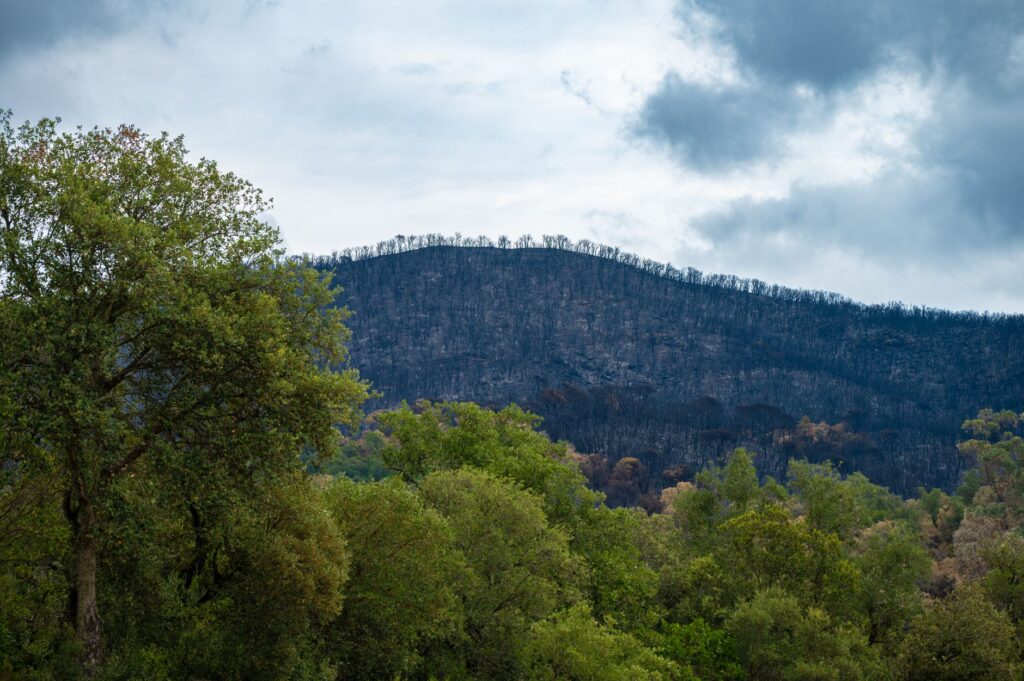
Wildfires in the United States have numbered 68,179 so far in 2026 and burned more than 9.5 million acres (3.8 million hectares), ABC News reported on Friday. Researchers quoted by the outlet say the damage reaches far beyond the burn: ash and debris washed into streams can contaminate the water supplies of towns and cities for years, and new studies suggest the effects can last more than a decade.
After a fire, rain carries ash and organic matter down burned slopes into the rivers that feed water treatment plants. Some communities have spent years on bottled water, trucked-in supplies and new treatment systems.
How burned watersheds reach the tap
A watershed is the land that captures, filters and channels water into streams and rivers. Forested watersheds supply water to nearly two-thirds of US municipalities, according to Carli Brucker, lead author of a University of Colorado Boulder study that compared hundreds of burned basins with unburned ones. That study found water quality effects lasting up to eight years.
Treatment plants that draw from rivers are usually built for fairly clean water, because trees and soil filter it naturally, Brucker said. Fires cause spikes in heavy metals and dissolved organic matter that the plants are not designed to handle, which can force them to shut their intakes and switch to other sources that may not be ready.
Amanda Hohner, an assistant professor at Montana State University who studies wildfires and water quality, said fires are a natural part of forests but more severe fires have left watersheds vulnerable.
Algae and chlorine byproducts
Backup reservoirs can be affected too. Kyle Shimabuku, an assistant professor of civil engineering at Gonzaga University, said burned sediment is rich in nitrogen and phosphorus, and in still reservoir water it can feed algal blooms that can make people sick and kill fish.
Garrett McKay, an assistant professor at Texas A&M, said chlorine and other disinfectants react with the organic matter fires leave behind to form disinfection byproducts. The U.S. Environmental Protection Agency regulates these compounds because they can cause illnesses, including cancer. Plants cannot remove the byproducts afterward, so they must strip out the organic matter before disinfecting, which can delay the water supply.
Las Vegas, New Mexico: four years of water trouble
The Hermit’s Peak/Calf Canyon fire damaged the Gallinas River watershed in 2022. A heavy rainstorm then washed ash and sludge into the river and the town’s reservoirs, and Las Vegas had to shut down its treatment plant while it added filters and searched for other sources. Residents went without water for months.
- In 2024, a large flood carried more burn debris into the town’s two reservoirs, leaving only a few days of safe water. The town hired trucks to bring in 2.2 million gallons (8.3 million liters) from Santa Fe and Santa Rosa.
- In February 2025, burn debris, bad weather and an equipment failure caused a pressure drop and a monthlong boil-water advisory.
- State and federal governments have since allocated $148 million to rebuild the treatment plant and develop other options, including wells and water reuse.
Karen Pettine, who has owned the Hillcrest Restaurant for 50 years, said the crisis sometimes forced her to close for a week at a time. Mayor David Romero called the February event “probably the scariest.”
Colorado’s fixes after 2020 fires
When a 2020 fire burned around No Name and Grizzly creeks, the main water sources for Glenwood Springs, Colorado, officials prepared for sediment that spring rains would wash down. Within two months, the Colorado Water Conservation Board approved an emergency loan of $8 million for treatment upgrades.
The same year, ash and sediment from the Cameron Peak fire forced Fort Collins to close its river intake and draw from Horsetooth Reservoir, which is fed by a different watershed.
What it means for communities near burn scars
Utilities are increasingly asking researchers for help finding new water sources or treating fire-related organic matter, McKay said. For towns downstream of large burns, the risk can return with each heavy rain, as Las Vegas has seen. Romero said the town no longer expects to rely on the Gallinas River indefinitely.
What happens next in Las Vegas
Groundbreaking on the first phase of the town’s new water treatment plant is scheduled for Nov. 18, according to the mayor.
Source: ABC News