Chile Adds 15,000-Liter C-130 Air Tanker for Wildfire Season
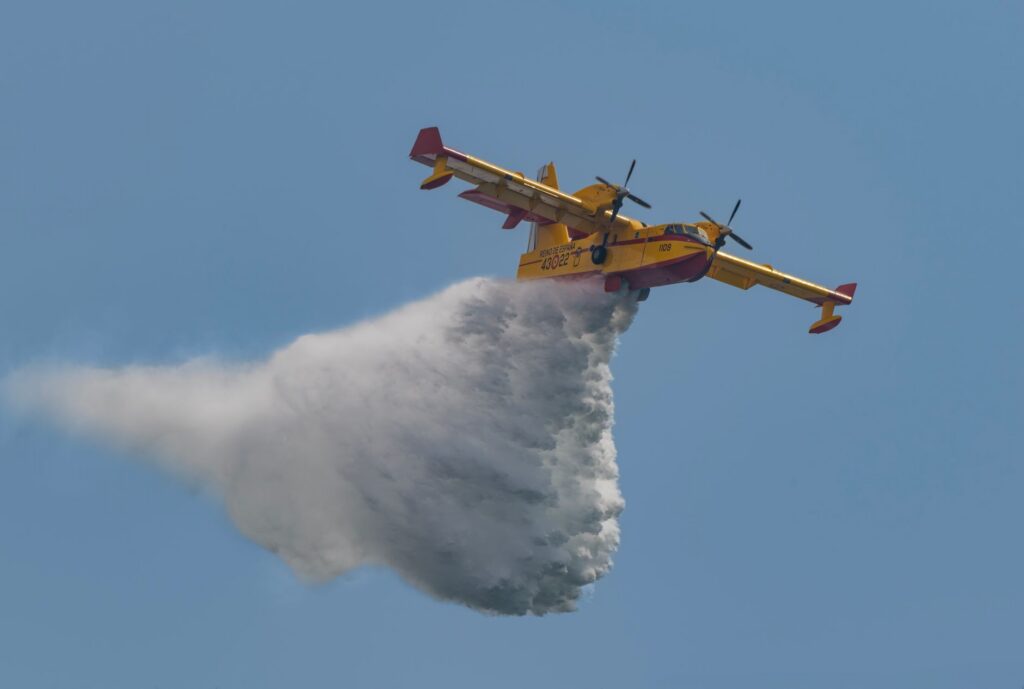
Chile received a Hercules C-130 large air tanker on Monday, Nov. 23, adding it to the national wildfire fleet for the 2026-2027 season, according to an announcement by the Gobierno de Chile reported by Latin Times on Nov. 25. The aircraft begins operations Wednesday, Nov. 25, from the María Dolores aerodrome in Los Ángeles, in the Bío Bío Region.
The tanker can carry up to 15,000 liters of water or fire retardant per sortie and fly as many as 14 missions in a day. It is the largest aerial asset in the country’s firefighting fleet, according to the report. Figures on fleet readiness are preliminary and were still being filled out as of late November.
What the aircraft can do
The C-130 is a military cargo plane built by Lockheed that entered service in 1956. Chile’s version has been adapted to drop water, chemical suppressant or fire retardant. It has four turboprop engines and a cruising speed of 570 km/h, and it can stay in the air for roughly three hours per deployment. Each mission needs a 25-minute preparation window on the ground.
Crews can split a load across several drops. That allows an attack on an active fire front or a containment line laid along the path a fire is expected to take. Every deployment must be coordinated through a dedicated Air Coordination Aircraft.
Where it will be based and for how long
The tanker will operate from Los Ángeles in the Bío Bío Region, described in the report as historically one of the areas most exposed to severe wildfires. It will be at the disposal of CONAF, Chile’s national forestry corporation, for a 120-day operational window.
The aircraft was received at a ceremony in Santiago led by President José Antonio Kast, Agriculture Minister Jaime Campos and CONAF Executive Director Aída Baldini. Officials said the country is entering what could be one of its most demanding fire seasons in recent years.
The 2026-2027 protection plan in numbers
- 166.6 billion Chilean pesos: total budget of the Forest Fire Protection Plan for 2026-2027.
- 77 aircraft: 26 tanker planes, 4 coordination units, 4 observation platforms and 42 helicopters, plus a command-and-support unit.
- 57%: share of the aerial deployment plan implemented as of late November, with full activation targeted for December.
- 319 brigades with 3,778 firefighters: the ground force CONAF expects to have operating by then.
- 396 detection assets: remote cameras, watchtowers and manned observation posts.
Why it matters: cost and prevention
Kast said each operating hour of the tanker costs about 20 million Chilean pesos once flying, loading, retardant and water are counted. He said the best outcome for the season would be one in which heavy use of the aircraft is unnecessary. “Let’s avoid those 14 flights,” he said.
CONAF estimates that 99.7% of Chile’s wildfires originate from human activity, whether negligence or deliberate acts, according to the report, which says Baldini has repeatedly made that point. Officials at the ceremony said aircraft cannot replace a culture of prevention.
Other prevention measures for the season include building firebreaks, managing vegetation, and training programs run with CORMA and Bomberos de Chile, the country’s fire brigades.
Residents of fire-prone areas should follow instructions from CONAF and local emergency officials during the season.
Source: Latin Times