Thanksgiving Tornado Warning in Western Washington Recalls 1972 Deaths
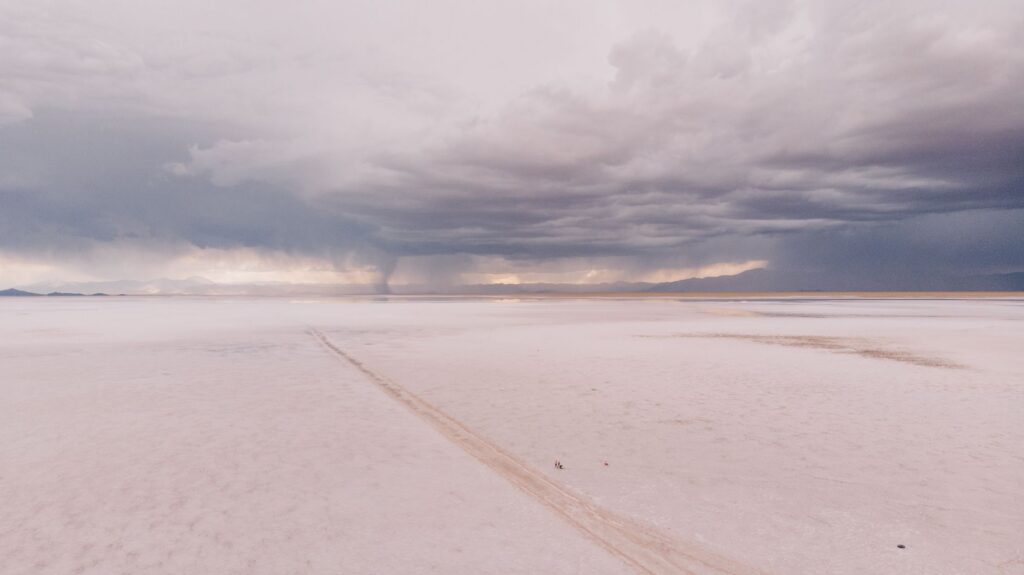
A tornado warning went out on Thanksgiving Day to residents of Issaquah, North Bend, Snoqualmie and Fall City, east of Seattle, according to FOX 13 Seattle. The station described the alerts as imminent-threat messages and said they caught people on the Eastside by surprise. The report did not describe any damage.
Tornadoes are uncommon in western Washington, but the state has had deadly ones. Local residents should follow instructions from local emergency officials and the National Weather Service during any warning.
The 1972 Vancouver tornado
Washington’s deadliest tornado hit Vancouver, along the Columbia River, on April 5, 1972. The National Weather Service rated it F3 and later confirmed six deaths and approximately 300 injuries. A newspaper headline at the time put the toll at “at least 7 dead,” a higher count than the one officials later confirmed.
The storm tore through a discount store, a bowling alley and an elementary school while classes were in session. According to the National Weather Service, approximately 50 homes were destroyed or severely damaged.
The agency’s report on the disaster estimated total property loss in the Vancouver area at close to $6 million. FOX 13 Seattle put that at approximately $49 million in today’s dollars after adjusting for inflation.
The record year of 1997
Historical weather data show that Washington recorded 14 tornadoes in 1997, more than in any other year on record. Six touched down on May 31 alone, with reports ranging from Tacoma and Vancouver to Eastern Washington.
None of that year’s tornadoes rated above F1 on the Fujita scale, which ranks tornado damage from F0 upward.
What this means for the Eastside
FOX 13 Seattle said the Thanksgiving warning showed that western Washington is not immune to extreme weather of this kind. The station drew on National Weather Service material and on newspaper clippings from the Seattle Post-Intelligencer and The Columbian for its history of earlier tornadoes.
Current warnings and watches for any area are issued by the National Weather Service, and local emergency officials publish instructions for their own communities.
Source: Yahoo