Snow Squall Warning: What to Do if a Whiteout Hits While Driving
Live now: 20 active NWS winter alerts (7 Winter Storm Warnings, 2 Winter Storm Watches). See blizzard and winter storm warnings by state
A snow squall is a short, intense burst of snow and wind that can drop visibility to almost nothing within minutes. The National Weather Service says that if a snow squall warning covers your area, you should avoid or delay driving until the squall passes. Most squalls last 30-60 minutes, so waiting is usually a short wait.
What is a snow squall?
A snow squall is a sudden, moderately heavy snowfall with blowing snow and strong, gusty surface winds, according to Wikipedia’s summary of the phenomenon. People often call it a whiteout. It resembles a blizzard but is limited in time or place, and the snow totals may or may not be large.
The National Weather Service describes squalls as a wintertime hazard often tied to strong cold fronts. They move in and out quickly. Falling temperatures turn the road surface icy in just a few minutes, and a squall can arrive where no large winter storm is under way.
How is a snow squall different from a snowstorm?
Duration is the main difference. A squall is usually over in 30-60 minutes and is extremely intense, while a snowstorm can last several hours or even days. Squalls often leave an inch of snow or less. That is why a forecast that shows little accumulation can still come with a warning: the danger is the combination of gusty wind, a temperature drop and a quick loss of visibility, not the depth of snow.
What are the two types of snow squall?
Wikipedia describes two primary types, lake effect and frontal. Both can sharply reduce visibility.
Lake-effect squalls form when arctic air crosses large stretches of warmer open water. The result is narrow bands of heavy snow, and whiteout conditions affect narrow corridors running from the shore inland in the direction of the wind. For more on how those bands develop, see our guide to lake-effect snow warnings in New York.
A frontal squall is an intense line of convection that forms when the surface temperature is near freezing. The line can cover long distances, but at any single point along its path it generally lasts less than 30 minutes. After a cold front passes, two or three squall bands can follow in quick succession, spaced about 25 miles apart.
Why do snow squalls cause highway pileups?
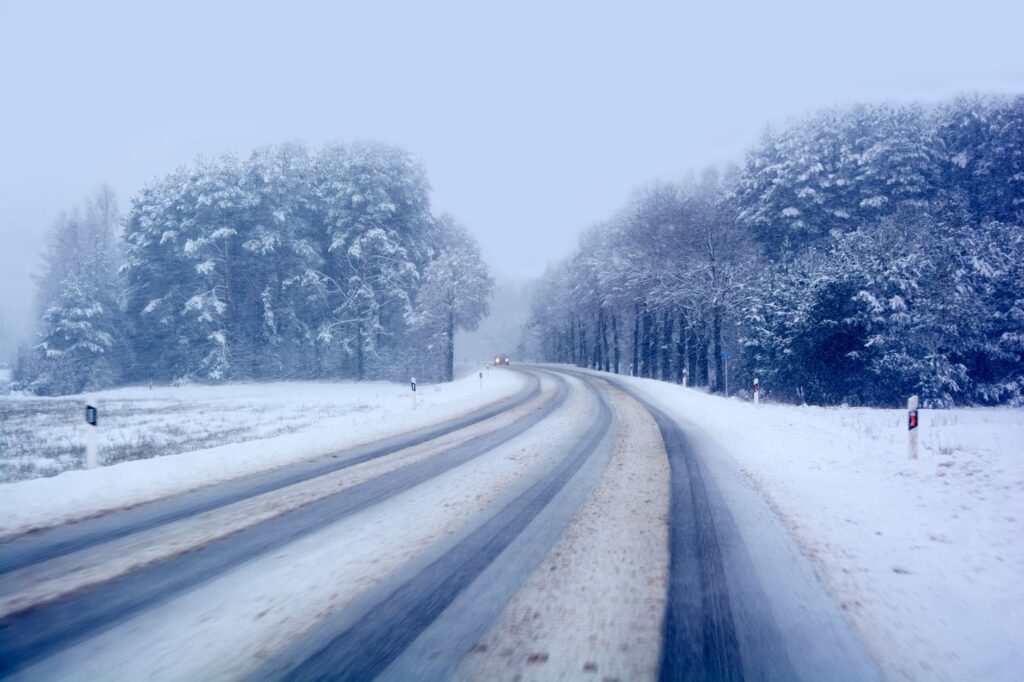
Conditions change abruptly. A driver can go from clear pavement to a whiteout on slick road in moments, and the cars behind have little time to react. Wikipedia notes that such sudden loss of visibility often causes multiple-vehicle collisions. On Jan. 9, 2015, a localized, heavy snow squall led to a 193-vehicle pileup on I-94 near Galesburg, Michigan.
The National Weather Service points to a long history of deadly traffic accidents tied to squalls and says they can cause extreme local impacts for travelers and for commerce, even though they last only briefly.
What does a snow squall warning mean?
Snow squall warnings are short-fused and cover distinct, small areas, in the same way tornado and severe thunderstorm warnings do. The Weather Service says they carry highly localized, life-saving information. This differs from a broad winter storm alert; if you want to know why alert wording and snow amounts vary between forecast offices, read why winter storm warning snow amounts differ by NWS office.
The Weather Service’s expanded winter terminology page describes a warning, in general, as an alert for an event that is occurring, imminent or very likely, and that threatens life or property. An advisory covers less serious conditions that still cause significant inconvenience.
What should you do if a squall hits while you are driving?
The Weather Service advice is to avoid or delay travel while the warning is in effect, because there is no safe place on the highway during a squall. If you are already on the road and cannot exit in time, the agency lists these steps:
- Reduce your speed.
- Turn on your headlights and hazard lights.
- Leave plenty of distance between your car and the one ahead.
- Avoid slamming on the brakes. On slick or icy roads that can cost you control of the vehicle and raise the risk of a chain-reaction crash.
Before you start a trip, check forecasts and warnings at weather.gov. The agency also recommends preparing your vehicle and carrying an emergency kit in the car. For rules about parking during heavy snow, our guide to snow emergency parking bans explains where to look.
Follow instructions from local emergency officials and the National Weather Service. This page is a general guide and is not an official warning.
Quick answers
How long does a snow squall last?
The National Weather Service says squalls typically last less than an hour, on the order of 30-60 minutes. A frontal squall generally passes any one point in under 30 minutes, according to Wikipedia.
Does a snow squall need a big snowstorm?
No. The Weather Service says squalls can occur where there is no large-scale winter storm in progress and may leave only minor accumulation.
Can a squall produce thunder or lightning?
Yes. Wikipedia says powerful squalls with strong vertical growth can produce lightning and thunder, a phenomenon called thundersnow.
Checked against official sources in November 2026. Alert criteria, records and guidance are revised: check the official agency page for current information.