Illinois Tornado Season: Peak Months, Tri-State Tornado and Warnings
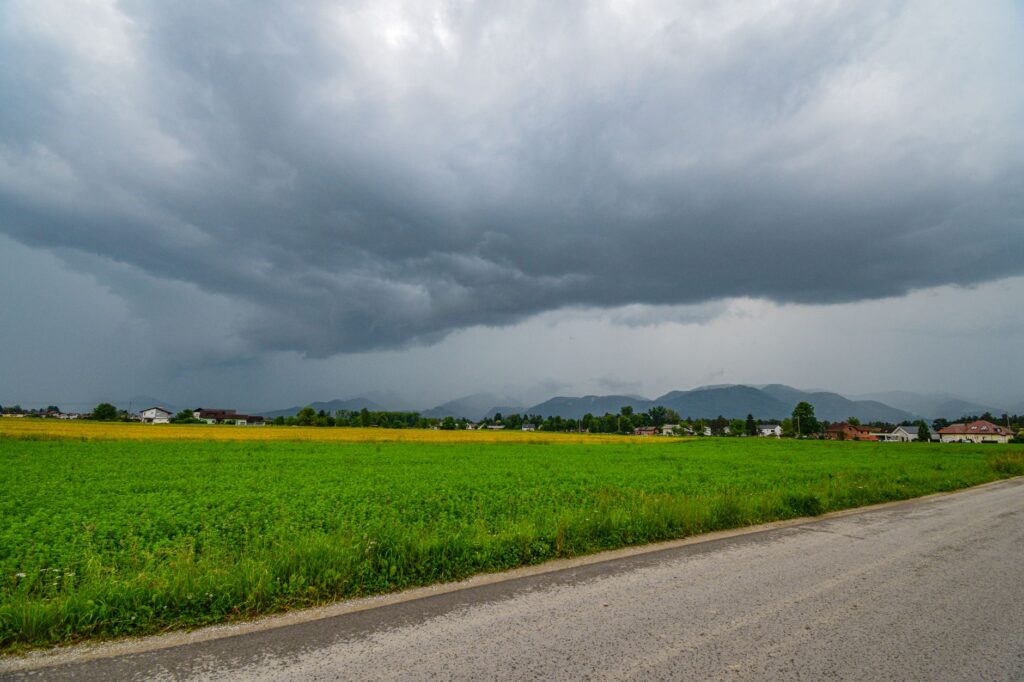
Tornado season in Illinois peaks from February through May, and the state averages about 35 tornadoes a year. Illinois has recorded 3,214 tornadoes since 1950, and those storms have caused 235 deaths. Tornadoes can also hit in winter, so a cold month is no guarantee of a quiet sky.
The state also holds the worst tornado record in the country: the 1925 Tri-State tornado, which killed 695 people across three states and remains the deadliest tornado in United States history.
When is tornado season in Illinois?
Peak activity runs from February to May, according to the list of Illinois tornadoes on Wikipedia, with February, March and May standing out as the months most favorable for tornadoes. Storms have produced tornadoes in winter too. A large outbreak sequence struck from Dec. 18 to 20, 1957, which shows that a December warm spell can bring dangerous weather.
On average, much of Illinois sees around 5 tornadoes per 10,000 square miles (30,000 square kilometers) each year. That is a lower rate than parts of the Plains, which our guide to Kansas tornado season and Tornado Alley covers, but Illinois has a long record of violent, deadly storms.
Why does Illinois get tornadoes?
Illinois sits where two air masses meet. Warm air from the Southern United States can push north into Southern Illinois and feed tornadic storms. Lake Michigan, on the state’s northeastern edge, helps send cold air south toward the Ohio Valley. The clash of warm and cold air creates the same “hot-cold” setup found in the traditional Tornado Alley.
The NOAA Storm Prediction Center’s tornado FAQ warns that the classic explanation of warm Gulf air meeting cold Canadian air is a gross oversimplification. Most thunderstorms that form in those conditions never produce a tornado, and scientists still do not fully understand why some do. The most destructive and deadly tornadoes come from supercells, which are rotating thunderstorms with a well-defined circulation on radar called a mesocyclone.
What was the Tri-State tornado?
The name usually means the F5 tornado of March 18, 1925, which crossed three states, Illinois among them. It killed 695 people. The tornado was especially violent in Williamson County, and 102 people died in West Frankfort alone. Our article on the 1925 Tri-State tornado and the deadliest US outbreaks tells the full story.
The same name is attached to other storms. As the Wikipedia disambiguation page for “Tri-state tornado” notes, it can also refer to the 1974 Cincinnati tornado, which crossed Indiana, Kentucky and Ohio, and to the 2021 Monette–Samburg tornado, a violent EF4 that hit Arkansas, Missouri and Tennessee. Neither of those touched Illinois.
What are the deadliest tornadoes in Illinois history?
Several of the deadliest tornadoes in the country have struck Illinois. Death tolls from the 19th and early 20th centuries are historical estimates:
- March 18, 1925: the Tri-State tornado, rated F5, killed 695 people, including 102 in West Frankfort.
- May 27, 1896: an F4 tornado tore through St. Louis and East St. Louis, killing over 255 people and injuring 1,000 or more. It ranks as the third-deadliest tornado in U.S. history.
- May 26, 1917: a high-end F4 crossed Illinois, killing 101 people and injuring 638. Mattoon was hit hardest, with almost 500 buildings destroyed. Its peak winds were estimated at around 300 mph.
- Sept. 29, 1927: an F3 tornado hit East St. Louis again, killing 79 people and injuring 550.
- April 24, 1880: an F5 tornado touched down 9 miles southwest of Taylorville and moved through the town, with 6 deaths and 33 injuries reported. It is one of only two F5 tornadoes to affect central or southeast Illinois.
Later outbreaks include the 1967 Oak Lawn tornado outbreak near Chicago and a violent F4 on March 16, 1942, that crossed Piatt, Champaign and Vermilion counties.
How do tornado warnings work?
The National Weather Service uses two main alerts. A tornado watch means conditions in and near the area are favorable for tornadoes to develop; it usually covers a large region for several hours. A tornado warning means a tornado has been spotted or detected on radar, or is about to form, and it covers a smaller area in the storm’s path. A warning is the signal to act on your local officials’ instructions right away.
In the most dangerous situations, forecasters can add stronger wording to a warning. Our guide to tornado emergencies and PDS warnings explains what each label means.
Radar and spotters have limits. The Storm Prediction Center notes that a tornado may have no visible funnel: the rotation can show only as a spinning dust cloud under a rotating cloud base, often because the air below the cloud is too dry or the pressure drop too weak to form a funnel. Many tornadoes also contain smaller whirls called suction vortices, which can add over 100 mph to the wind and explain why narrow strips of extreme damage sit next to light damage. They usually appear in groups of 2 to 5 and last less than a minute each.
Where should Illinois residents get official alerts?
Follow your local National Weather Service office, county emergency management agency and local officials for watches, warnings and shelter instructions. Wireless Emergency Alerts on phones, NOAA Weather Radio and local broadcasts carry National Weather Service warnings. The Storm Prediction Center also cautions that social media varies widely in reliability, so check that tornado information comes from NOAA, the National Weather Service or FEMA.
Quick answers
How many tornadoes does Illinois get each year?
About 35 on average. The state has logged 3,214 tornadoes since 1950.
What is the deadliest tornado in Illinois history?
The Tri-State tornado of March 18, 1925, killed 695 people in three states and is the deadliest in U.S. history.
Can Illinois have tornadoes in winter?
Yes. Peak season is February to May, but winter tornadoes have happened, including the outbreak sequence of Dec. 18 to 20, 1957.
Does every tornado have a visible funnel?
No. The Storm Prediction Center says a tornado can exist without a visible funnel cloud.
Checked against official sources in November 2026. Alert criteria, records and guidance are revised: check the official agency page for current information.