Texas Tornado Season: Peak Months, Waco and How Warnings Work
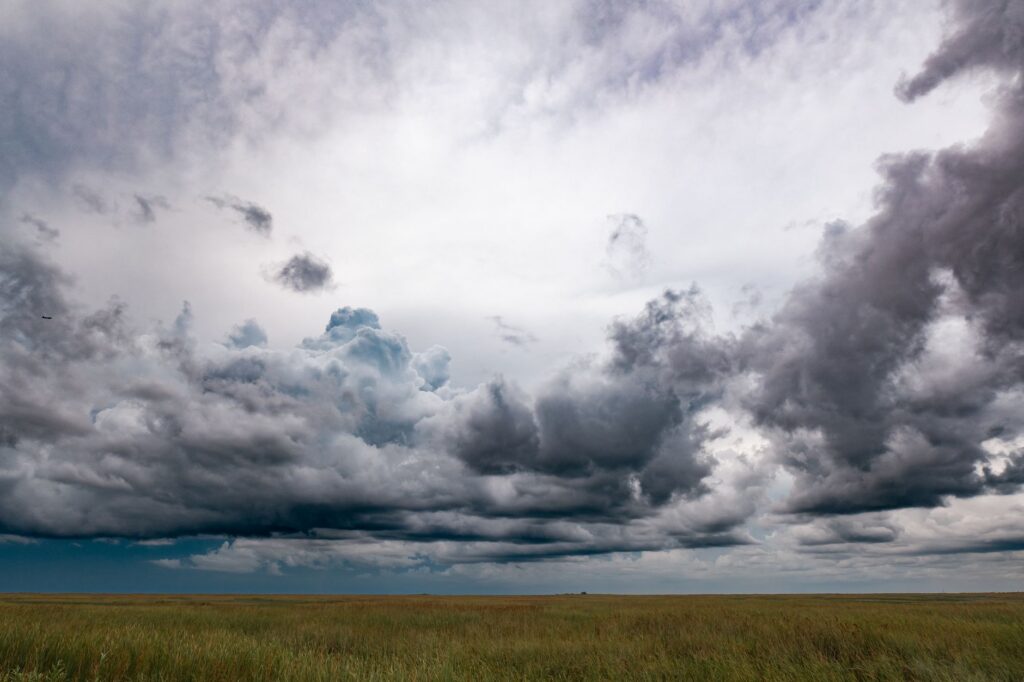
Texas gets more tornadoes than any other U.S. state, about 137 a year on average, and the Gulf of Mexico supplies enough moisture for them to form in any month. The deadliest on record killed 114 people, twice: at Goliad in 1902 and at Waco in 1953. A tornado watch means tornadoes are possible; a warning means one has been sighted or shown on radar and you should take shelter now.
When is tornado season in Texas?
The sources do not name a single peak month, and they say plainly that tornadoes can happen at any time of year in the state. The historical list on Wikipedia’s List of Texas tornadoes shows the pattern in its entries: a large share of the destructive storms are dated in April and May, with others in March, June and the colder months. A July 5, 1905, tornado in Montague County is described there as unusual for that time of year.
For planning, treat spring as the period to watch most closely, but do not assume the rest of the year is clear. The same list records tornadoes in January, February, August, October, November and December. Check the National Weather Service forecast for your county whenever thunderstorms are expected.
Which Texas tornadoes were the deadliest?
Several early tornadoes still rank among the worst in state history, and the list gives these tolls:
- Goliad, May 18, 1902: an F4 tornado killed 114 people, the deadliest in state history until it was tied by Waco in 1953.
- Waco, May 11, 1953: an F5 tornado killed 114 and injured 597.
- Sherman, May 15, 1896: an F5 tornado killed an estimated 73 people and destroyed large parts of the town.
- Rocksprings, April 13, 1927: a mile-wide F5 tornado killed 72. The list calls it the southernmost F5 to hit the United States.
- Savoy, May 28, 1880: an F4 tornado killed 14, injured 60 and nearly wiped out the town.
The list also records a May 6, 1930, outbreak across eastern Texas that killed at least 81 people, most of them in two F4 tornadoes. Ratings in these entries are F-scale ratings, some of them estimates made long after the event. For a national comparison, see the 1925 Tri-State Tornado and the deadliest US tornado outbreaks.
What happened in the 1953 Waco tornado?
According to the Wikipedia article on the 1953 Waco tornado, the storm formed at about 4:10 p.m. CST on May 11, 1953, roughly three miles north-northwest of Lorena. It lasted 35 minutes, traveled 23 miles and dissipated about five miles west of Axtell. It was the first tornado officially rated F5 in the United States.
Heavy rain hid the funnel from people in its path, and the article says the high-precipitation storm may have delayed action and raised the toll. It struck downtown at the end of the work day. Many people sheltered in downtown buildings that were not sturdy enough, and 30 died in the R. T. Dennis building alone. Five more died in their cars. Steel-reinforced buildings, including the Amicable office building, stayed standing.
Bricks piled up five feet deep in the streets. Some survivors were trapped for 14 or more hours. The tornado destroyed 196 businesses and factories, wrecked 150 homes and damaged more than 2,000 cars. The article gives damage estimates of $41 million in its summary table and about $51 million in the text, so the figures differ.
Waco also changed how warnings work. Radar operators at Texas A&M University detected a hook echo with the parent storm, one of the first times radar tied a tornado to that signature. Texas then supported 20 radar facilities, each covering a 200-mile radius, in the Texas Radar Tornado Warning Network, which also linked weather officials, storm spotters and local officials. The article says the chaotic relief effort led to better coordination between civilians and local governments.
What is the difference between a tornado watch and a tornado warning?
The National Weather Service explains its tornado alerts in three levels.
- Tornado watch: tornadoes are possible in and near the watch area. The Storm Prediction Center issues watches for counties where tornadoes may occur, and the area is typically large, covering numerous counties or even states. The agency says to review your emergency plans, check supplies and your safe room, and be ready to act quickly.
- Tornado warning: a tornado has been sighted or indicated by weather radar, and there is imminent danger to life and property. Your local forecast office issues it, usually for an area about the size of a city or small county.
- Tornado emergency: the highest alert level, issued when a violent tornado has touched down and catastrophic damage is confirmed.
For a warning, the National Weather Service tells people to move to an interior room on the lowest floor of a sturdy building and to avoid windows. In a mobile home, a vehicle or outdoors, it says to move to the closest substantial shelter and protect yourself from flying debris. In a tornado emergency, it says to seek refuge immediately and not to try to outrun a tornado in a vehicle. Follow your local emergency officials and the National Weather Service for current instructions.
Does a tornado always show a funnel?
No. The Storm Prediction Center’s tornado FAQ says a tornado may have no visible funnel, because the air may be too dry or the pressure drop too weak to condense one. A tornado is defined as a violently rotating column of air in contact with the ground and a cloud. The FAQ adds that the most destructive and deadly tornadoes come from supercells, which are rotating thunderstorms with a well-defined radar circulation, and that forecasters do not fully understand why some storms produce tornadoes and others do not.
Waco shows why this matters. Rain made that tornado nearly invisible, so a warning based on radar and spotters can reach people before they can see anything.
Quick answers
How many tornadoes does Texas get in a year?
The Wikipedia list gives an average of 137 a year, the most of any U.S. state.
Who issues a tornado watch and who issues a warning?
The Storm Prediction Center issues watches. The local National Weather Service forecast office issues warnings.
What was the deadliest tornado in Texas history?
Goliad in 1902 and Waco in 1953 each killed 114 people, which ties them as the deadliest in the state.
Are wildfires a separate season in Texas?
Yes, and they follow a different calendar. See our guide to Texas wildfires and fire season.
Checked against official sources in November 2026. Alert criteria, records and guidance are revised: check the official agency page for current information.