Wildfire Smoke Days at US Schools Rose From 6.8 to 54.4 a Year
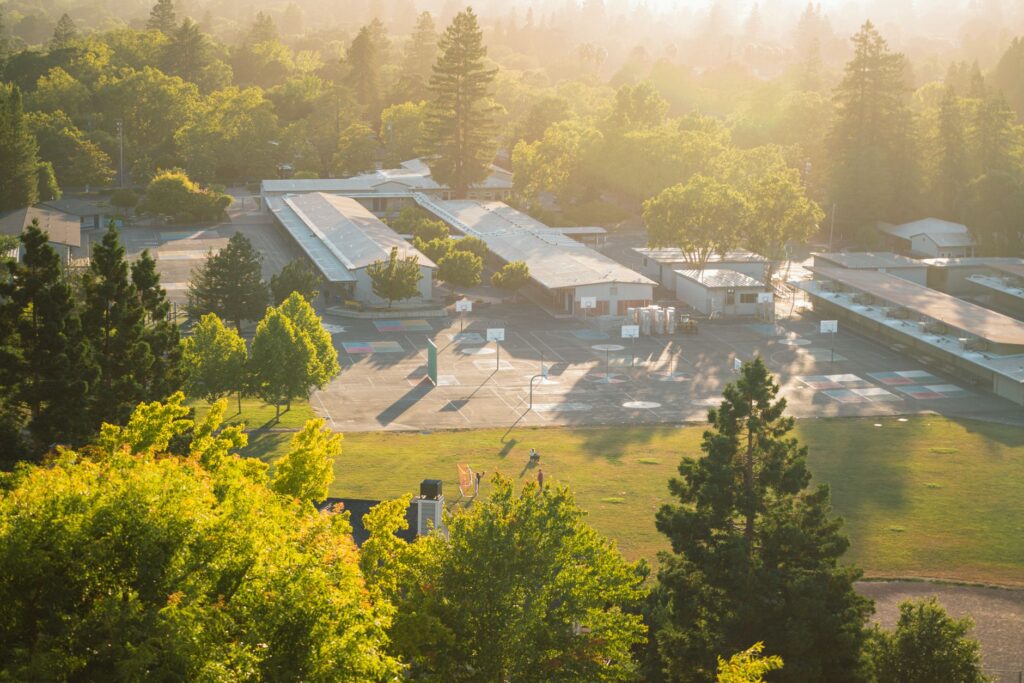
Public schools in the United States went from an average of 6.8 wildfire smoke days a year to 54.4 over the period from 2006 through 2023, according to a national study published in the journal Environmental Research. Childcare centers saw a sharper rise, from 9.4 smoke days a year to 112.2.
The researchers also found that staying inside did not always protect children. On some smoke days, air measured inside schools held more fine particle pollution than the air at nearby outdoor monitors.
What the Oregon State researchers measured
The team analyzed national air quality data from 2006 through 2023 and matched it to the locations of public schools and early childcare facilities. Molly Kile, an environmental epidemiologist in the Oregon State University College of Health and a co-author of the study, reported the jump in annual smoke days. Kile said American children as a group now spend billions of days breathing smoky air each year.
The corresponding author is Stephanie Foster, scholarly activity program manager in the Research Development Office at Samaritan Health Services. The other authors are Andrew Larkin, Megan MacDonald, Megan McClelland and Perry Hystad of the OSU College of Health, and Parichehr Salimifard of the OSU College of Engineering. The National Institute of Environmental Health Sciences supported the data work and statistical analysis.
Why PM2.5 is the main concern for children
The study focuses on PM2.5, the fine particulate matter in smoke that measures 2.5 micrometers across or less. Particles that small can travel deep into the lungs and pass into the bloodstream, which makes them a particular hazard for teenagers and younger children. Breathing PM2.5 is a known cause of cardiovascular disease, and it has been connected with both the start and the worsening of respiratory illness.
Readers who want to check smoke conditions near a school can find more in our guide on how to read AirNow’s smoke map.
Fire counts hold steady while burned acreage grows
Records from the National Interagency Fire Center going back four decades show the yearly number of U.S. wildfires has stayed fairly steady at around 70,000. What has changed is how intense the fires are and how much land they burn, both of which have grown substantially, according to the study’s summary.
Wildfires now produce nearly half of all PM2.5 in the United States, the researchers said, and the added smoke has erased earlier air quality gains in several regions. The West gets more fires and heavier smoke, but Kile said the problem reaches the whole country because fine particles can ride the prevailing west-to-east winds for hundreds or thousands of miles. The authors attribute part of the rise in fire risk to climate change.
What it means for schools and childcare centers
Health officials commonly tell people to stay indoors when air pollution is severe. The study’s measurements showed that buildings vary widely in how well they keep outdoor particles out, so an indoor classroom is not automatically a clean-air space during a smoke event.
Foster said schools and childcare facilities are where children spend much of their day, which makes them central places for protecting children’s health. The authors listed steps facilities could take to cut exposure:
- coordinated preparedness plans for smoke events
- monitoring of indoor air quality
- changes to activities on smoky days
- better filtration, either with portable HEPA filters or upgrades to HVAC systems
Parents and staff looking for guidance on a specific smoke event should follow their local health and emergency officials and check current conditions from EPA AirNow and the National Weather Service.
Source: BIOENGINEER